

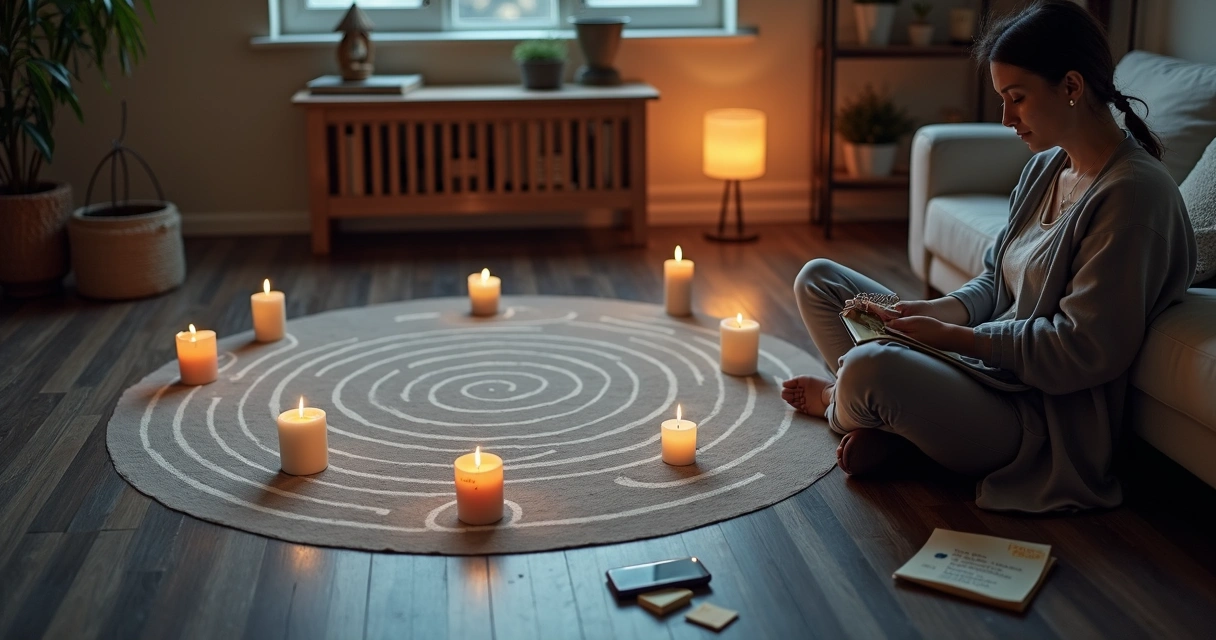
We often think a ritual is helpful just because it is repeated. But repetition alone does not mature us. A ritual can calm the body, mark time, and create meaning, yet still keep us stuck in the same emotional age.
We have seen this in personal routines, family habits, and team practices. The form looks stable. The feeling underneath does not change. People still react fast, avoid hard truth, or depend on external structure to feel safe.
Emotional maturation grows when a ritual helps us face reality with more awareness, honesty, and choice.
That is why ritual design matters. A well-built ritual can support reflection, regulation, and real change. A poorly built one can become a shield against discomfort. It may look deep. It may even feel comforting. Still, it can block growth.
Below, we share six design mistakes that often slow down emotional maturation, and what we can do instead.
Mistake 1: Building rituals for control, not contact
Some rituals are created to reduce anxiety by controlling every detail. The time is fixed. The words are fixed. The emotional tone is fixed. Nothing can move. At first, this may feel safe.
We knew someone who lit a candle, sat in silence, and wrote the same gratitude lines every night. It looked grounded. Yet if one thing interrupted the sequence, irritation took over. The ritual was not building emotional range. It was feeding rigidity.
When a ritual is designed only to control inner discomfort, it narrows contact with what is alive in us.
We stop listening and start performing.
We protect the form instead of meeting the feeling.
We confuse predictability with maturity.
A better path is to keep a stable frame but allow honest content. The structure can stay simple while the inner response stays real.
Structure should hold truth, not hide it.
Mistake 2: Making the ritual too symbolic and not embodied
Symbols matter. Gestures matter too. But emotional growth does not happen only in ideas. It also happens in breath, posture, tone, pacing, and nervous system response.
We sometimes see rituals built around words with no bodily anchor. People speak intentions, repeat values, or read affirmations, yet their body remains tense, rushed, or absent. The ritual says one thing. The body says another.
If the body is left out, the ritual may inspire thought without changing emotional patterns.
For this reason, we prefer rituals that include simple sensory grounding. That can mean:
One minute of slower breathing before speaking.
A pause to feel the feet on the floor.
A check-in on tension in the jaw, chest, or stomach.
These small acts help the person become present instead of mentally distant. Emotional maturation needs that contact.

Mistake 3: Using consistency without emotional safety
Consistency helps people regulate. Research supports this. In a large family study on regular routines, higher regularity around daily rhythms was linked to lower aggression in children. Another longitudinal study on routines during lockdown found fewer emotional and behavioral difficulties when routines stayed steady.
Still, consistency alone is not enough. A ritual can be regular and still feel emotionally unsafe. If people expect judgment, pressure, or correction, the ritual may train compliance instead of maturity.
We can see this in family circles, weekly check-ins, and even private self-reflection habits. The ritual happens on time, but no one can tell the truth inside it.
That is why design must include relational safety. People need room to name what is hard without fear of punishment or shame.
A ritual supports growth when it joins consistency with safety.
Mistake 4: Confusing intensity with transformation
Strong emotion can make a ritual feel meaningful. Tears, catharsis, silence, and release all have their place. But high intensity is not the same as emotional maturation.
We have seen people chase peak experiences and call that growth. They leave moved, open, and sincere. A week later, the same reactive patterns return. Why? Because the ritual created an emotional event, not a lasting inner skill.
Transformation usually asks for repetition with awareness, not repeated emotional shock.
A grounded ritual often includes three parts:
A clear opening that settles attention.
A central act that brings reflection, expression, or dialogue.
A closing moment that links insight to daily behavior.
Without that final link, emotion rises and fades. The person feels touched, but not changed in practice.
Mistake 5: Ignoring the relational context
No ritual exists in isolation. Even a private one is shaped by family history, role expectations, and learned defenses. Yet many rituals are designed as if the individual were separate from all context.
This is one reason some routines fail inside homes. The schedule looks healthy, but the emotional climate undermines it. In research on household routine and child adjustment, routine was linked to fewer behavior problems, but harsh parenting weakened those benefits.
The lesson is simple. A ritual cannot carry the whole emotional system by itself.
If a family has a nightly sharing circle but members interrupt, mock, or dismiss each other, the ritual may become another stage for old pain. The same is true in groups and partnerships.
Before refining the ritual, we may need to ask:
What emotional rules already exist here?
Who feels free to speak, and who does not?
What pattern appears every time discomfort enters the room?
Those answers shape whether a ritual heals or hardens.

Mistake 6: Never revising the ritual as the person grows
A ritual that once helped us may later limit us. This happens more often than people expect. Early on, we may need more structure, more soothing, and more repetition. Later, we may need more challenge, more silence, or more truth.
But many people keep old rituals long after their inner life has changed. They outgrow the practice, yet stay loyal to it because it feels familiar.
We think mature ritual design includes review. Not constant change, but honest review. We can ask whether the ritual still supports growth or merely repeats identity.
A ritual should evolve as our capacity for honesty, regulation, and responsibility grows.
Sometimes one small change is enough. A new question in a journal. A pause before speaking. Fewer words, more listening. Less comfort, more contact.
Conclusion
Rituals can support emotional maturation, but only when they are built with care. If they serve control, bypass the body, ignore safety, chase intensity, neglect context, or remain frozen in the past, they may slow the very growth they promise.
We do not need perfect rituals. We need honest ones. The kind that help us stay present, feel what is real, and choose with more awareness than before.
Good rituals do not trap growth. They guide it.
Frequently asked questions
What is ritual design?
Ritual design is the way we shape repeated actions so they carry meaning, emotional direction, and a clear purpose. It includes timing, sequence, setting, symbols, and the kind of inner state the ritual is meant to support.
How do rituals affect emotional growth?
Rituals affect emotional growth by giving structure to reflection, regulation, and behavior. When they are well designed, they help us slow down, notice feelings, and respond with more awareness instead of habit.
What are common ritual design mistakes?
Common mistakes include making rituals too rigid, too mental, emotionally unsafe, overly intense, disconnected from relationships, or unchanged over time. These patterns can make rituals feel meaningful while blocking real maturation.
How can I improve my rituals?
We suggest starting with one clear aim. Then make the ritual simple, embodied, and honest. Add a stable frame, allow real feeling, and review whether the practice helps you act with more clarity and responsibility in daily life.
Is it worth redesigning old rituals?
Yes. Redesigning an old ritual can renew its value when your needs, relationships, or stage of life have changed. A ritual should support present growth, not only preserve past comfort.