


Have you ever felt surrounded by calls for a better world, but wondered what you could actually do right now? We have asked this same question. Big words like “sustainability” or “ethics” can feel distant, complicated, or even overwhelming in daily life. Yet, we believe that meaningful change isn’t reserved for specialists or organizations. It can—and must—begin with us.
Small decisions, repeated, change the shape of the future.
Here, we want to offer real actions that anyone can begin today. We consider not just the environment, but also our relationships, mindset, and community. After all, sustainable impact lives in the intersection of what we choose, how we think, and how we relate.
Understanding practical ethics for impact
Ethics, in action, are not abstract concepts. They are the sum of our choices, visible in the world around us, and in the person we become. When we talk about “practical ethics for sustainable impact,” we mean something very specific: acting in ways that support life, growth, and harmony over the long run, while keeping our values present in daily decisions.
This means asking, with each decision: Does this action create less harm? Does it build trust? Does it nurture connection—with nature, with people, with ourselves? These aren’t just theoretical questions. In our experience, they are the gateway from intention to transformation.
Taking personal responsibility
When we look at the complexity of global challenges, it’s easy to feel powerless. But personal responsibility is the place where impact takes root.
- Awareness: Notice our daily habits. Which actions are automatic, inherited, or unexamined?
- Choice: Pause before acting. Ask, “Is there a more careful, less harmful way?”
- Learning: Stay curious. Growth comes from being willing to learn new ways, even when it feels uncomfortable.
- Consistency: Even small steps, done regularly, help build a new normal—at home, at work, in our communities.
Every time we choose kindness, honesty, or care, we change the outcome.
Everyday actions with real meaning
Let’s get specific. Here are concrete steps we can take, starting now, to move from intention to visible impact. Some will feel familiar, others surprising. The key is to start with those that are possible in our current circumstances, and build from there.

- Reduce single-use items: Carry a reusable water bottle, coffee cup, or grocery bag. It seems minor, but it cuts waste in ways that add up over months and years.
- Support local and ethical products: When shopping, choose local businesses or items with fair labor and environmental practices when available. This keeps resources circulating in the community and supports those who act with care.
- Practice digital mindfulness: Limit unnecessary scrolling or device use. Fewer wasted hours means more time for meaningful activities, less energy use, and less exposure to harmful content.
- Share, donate, or repair: When something breaks, look for repair instead of replacement. Donate or share items you no longer need—what’s useless to us may be vital to someone else.
- Speak clearly and kindly: In every interaction, strive to increase honesty and kindness. Sustainable impact is not only about actions, but also how we relate to others.
Rethinking our relationship with resources
Ethical living asks us to see resources—energy, money, time, attention—not as endless, but as threads that connect us all. The more respect we show for these, the more integrity our impact holds, even in small moments.
- Turn off lights when leaving a room or unplug devices not in use. Saving energy protects more than our bills—it extends far beyond the walls of our home.
- Choose low-impact transportation for short trips. Walking or biking when possible supports both personal well-being and the environment.
- Plan meals ahead to reduce food waste. Even one meal a week made with leftovers can save resources and spark creativity.
- Question impulse purchases. Before buying, ask: “Do I really need this? Does it align with my values?”
When we treat what we have with respect, we honor those who created, delivered, and will inherit it.
Cultivating ethical awareness in relationships
Relationships are the ground where practical ethics come to life most intensely. The way we listen, give feedback, collaborate, or resolve differences says as much about our values as what we buy or throw away.
Actions that grow trust include:
- Listening deeply before responding.
- Being willing to apologize when wrong and to forgive when possible.
- Honoring commitments, even when inconvenient.
- Speaking up against harm—whether in person or online—even when it’s easier to stay silent.
- Celebrating differences. Diversity enriches us, and inclusion is not a trend. It is care in action.
Building community impact
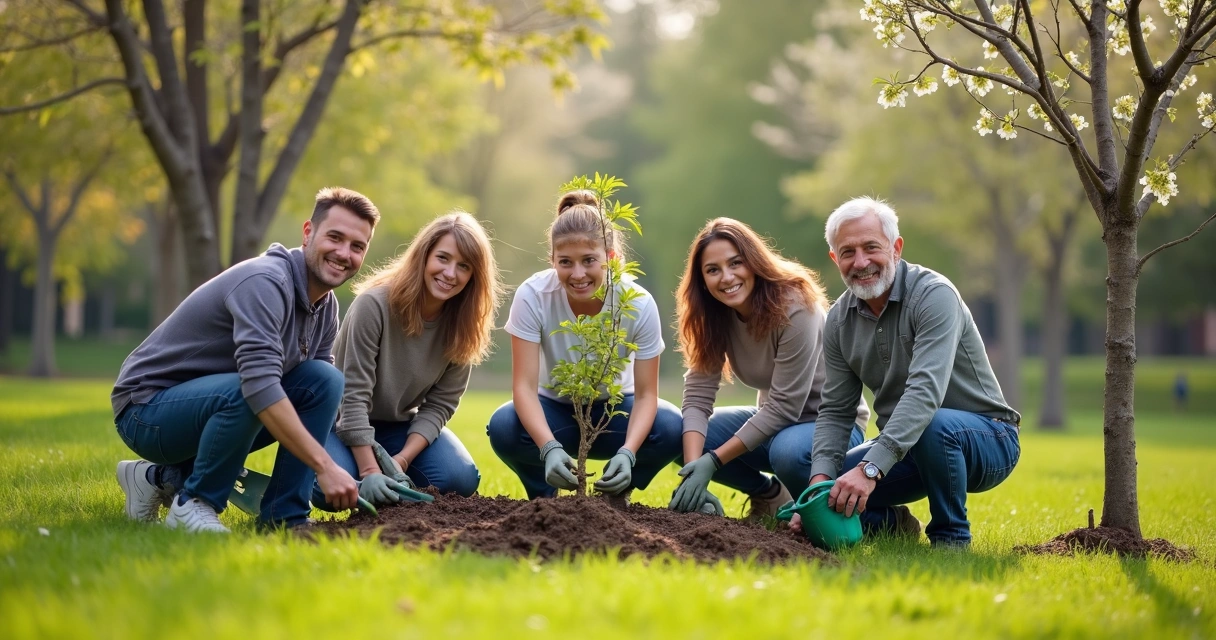
We are not isolated. Community, whether family, the place we work, or our neighborhood, gives context to all we do. Acting together multiplies the force of ethical choices. Here are ways we can help our communities move toward more sustainable impact:
- Organize or join clean-up efforts—even once, it sends a strong signal.
- Share knowledge about ethical living, but avoid pressure. Curiosity is a better teacher than blame.
- Vote—not only in elections but also with our daily actions and spending choices.
- Volunteer your time. Even one hour a month helps build stronger ties and offers value that money alone cannot buy.
- Support educational events related to sustainability and ethics, or help connect people to these resources.
Transformation often begins as a single voice, but grows through collective action.
A matter of mindset and intention
We have noticed that the most enduring changes come not from guilt or shame, but from a clear intention. It takes a mindset willing to adapt, to welcome feedback, and to learn from both mistakes and successes.
- Reflect regularly: Ask yourself, “What do I want to stand for with my actions?” or “How can I do better tomorrow?”
- Allow for imperfection—progress matters more than perfection.
- Celebrate small steps. Recognizing growth feeds the motivation to continue.
Conclusion
Every choice speaks. If we treat each day as a field for practical ethics, our impact—not only on the environment but on each person we meet—grows visible and lasting. Sustainable impact is a mosaic built of daily actions, small but significant, that align our values with the world we dream of living in. Start with one conscious action. Add another tomorrow. With each step, we shape what is possible—for ourselves, for others, and for generations ahead.
Frequently asked questions
What is practical ethics for sustainability?
Practical ethics for sustainability means making everyday decisions that align with values of care, respect, and long-term well-being for people, the environment, and the future. It is about applying ethical thinking to actions that support a balanced and lasting impact, not just in theory but in real, daily life.
How can I start making an impact?
You can start by choosing one simple action—such as reducing single-use plastics, supporting local businesses, or being more mindful in conversations. The most important step is to be consistent and to keep learning from your choices. Every action, even small, adds up over time.
What are simple actions for daily life?
Some easy steps include bringing a reusable bag when shopping, turning off lights and devices when not needed, planning meals to limit food waste, repairing instead of replacing, and choosing kindness in your interactions. These actions, while simple, have measurable impact when practiced daily.
Is ethical living really worth it?
Yes, ethical living brings more than just personal satisfaction. It creates healthier relationships, builds trust, cuts waste, and helps guide communities toward more fair and sustainable futures. The benefits ripple outwards, often in ways we can see and feel.
Where can I learn more about sustainability?
Good sources include books, local workshops, community organizations, and trusted digital resources focused on sustainability and ethics. Look for places that offer practical guidance and space for ongoing learning and reflection. Staying curious is one of the best ways to keep growing in this area.