


Personal development is often seen as a solitary journey. We read, reflect, and act on what we believe will help us move forward. Yet, growth tends to plateau without fresh insight, correction, and support. That is where systemic feedback becomes powerful. It offers a way to transform self-growth into a living process, not a static list of goals.
Understanding systemic feedback in our growth
Systemic feedback is different from ordinary advice or evaluation. While most feedback focuses on a single action or a result, systemic feedback looks at the whole person within their context, behaviors, emotions, beliefs, and relationships. Systemic feedback views development as a cycle shaped by learning, action, reflection, and continuous recalibration.
In our view, applying systemic feedback is not about getting more opinions or collecting critique. It’s about inviting diverse perspectives and data from personal, social, and environmental dimensions. That means looking at the quality of our actions, our intentions behind them, our feelings during the process, and the impact on those around us.
We find that structured feedback loops, like those described in studies about the Systemic Therapy Inventory of Change, lead to measurable improvements in performance. These frameworks show that ongoing, multidimensional feedback promotes clearer self-awareness and better adaptive strategies.
Why conventional feedback falls short
Traditional feedback often focuses on isolated events or traits. Think of the annual review at work, or a friend’s quick suggestion about a habit. These can be helpful, but they lack context. They frequently miss the patterns, relationships, or hidden motivations behind our choices.
Great progress requires clarity, context, and connection.
Systemic feedback, in contrast, addresses these gaps. It takes into account that personal development is a living cycle, not a straight line. Each stage is connected; everything influences everything else.
The cycle of personal development: step-by-step process
For systemic feedback to truly work in personal development, it helps to organize our journey into cycles. Here is how we recommend structuring these cycles:
- Define a specific intention. Begin by stating what area you want to grow in: a relationship, a skill, or perhaps an emotional pattern. The clearer your aim, the easier it is for feedback to be precise and supportive.
- Act with awareness. Move toward your intention with small, conscious changes. Keep a record of your actions and feelings. This can be a journal, a voice memo, or check-ins with a trusted friend.
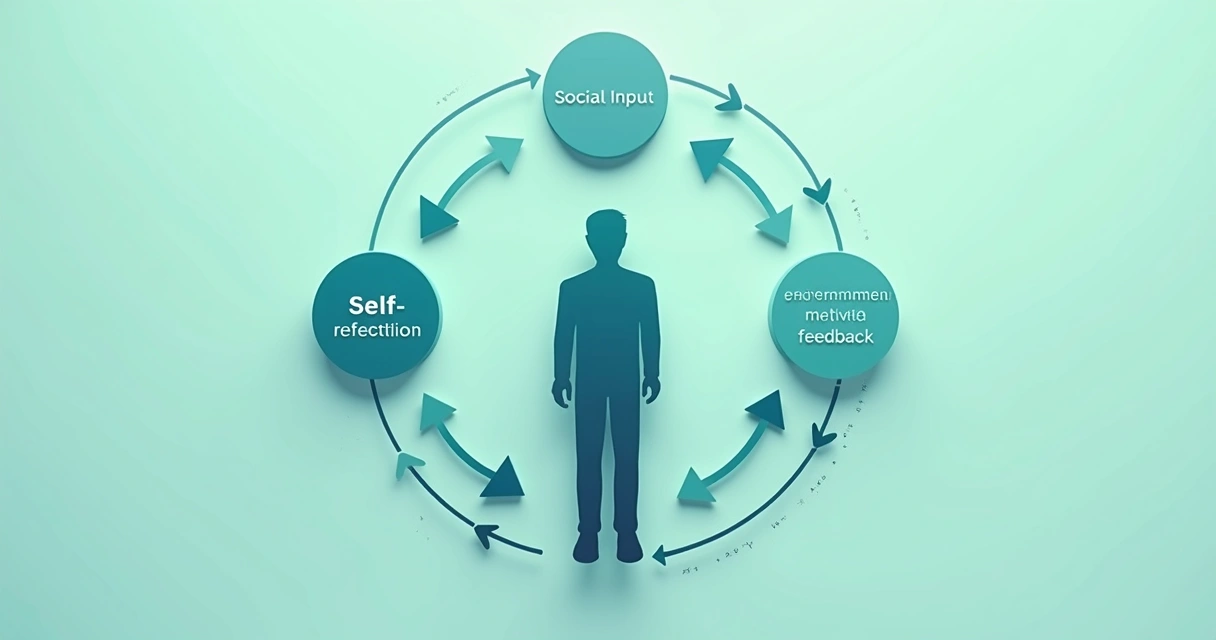
- Invite multidimensional feedback. This is where the systemic approach expands. Seek feedback from different vantage points:
- Self-reflection: How do you feel? What thoughts or emotions came up?
- Social reflection: How did your actions impact others? What did they notice?
- Environmental feedback: Did the context or situation affect your outcome?
- Integrate and adjust. Look for patterns, contrasts, or surprises in the feedback. What seems to repeat? What contradicts your perception? Use this insight to adjust your next steps, rather than simply continue as before.
- Consolidate learning. Complete the cycle by documenting results, integrating what worked, and celebrating growth—even small wins. This closes the loop and readies you for the next iteration.
Each step is connected, and missing any of them weakens the long-term impact of feedback on personal development.
Building feedback-rich environments
One key to strong systemic feedback is choosing or creating the right environment. We notice powerful changes when people intentionally surround themselves with honest, compassionate, and diverse voices—not just from people who agree, but also from those who see things differently.
We see three ways to make environments feedback-rich:
- Emphasize psychological safety. People give and receive honest feedback only when they feel secure. Whether at home, work, or among friends, encourage open dialogue and listening without judgment.
- Use structure and intention. Open-ended questions bring richer insights: “What did you notice about my approach today?” or “How did my choice affect the outcome for all of us?”
- Model feedback behaviors. Begin with vulnerability. Share your own reflections first. When others observe you seeking feedback, they are more likely to do the same.
Studies on feedback systems in therapy support this. Feedback is most effective when it’s ongoing, specific, and framed to promote growth, not defensiveness.
Overcoming resistance and integrating feedback
We all feel discomfort when faced with feedback, especially when it challenges our self-image. In our experience, common reasons for resistance include:
- Fear of failure or criticism
- Not trusting the source of feedback
- Difficulty letting go of old habits or beliefs
We can reduce resistance by reframing feedback as information, not judgment. Remind ourselves: The feedback is about actions and patterns, not our inherent worth.
Another practical step is to pause before reacting. Sit with the feedback, sort your emotions, and ask clarifying questions. “Can you give an example?” or “Did you notice this in other situations?” These steps create space between your instinct to defend and an openness to grow.

Putting systemic feedback into daily practice
Practical, small actions make systemic feedback a natural part of daily life:
- Set a recurring reflection time—daily or weekly. Ask yourself guiding questions about your intentions and actions.
- Share those reflections with someone you trust and invite their honest response. Make the loop ongoing, not a one-off request.
- After each feedback conversation or observation, write down insights and planned adjustments. Even a few sentences helps turn feedback into learning.
- Track patterns in your emotional and relational responses. Which areas create tension or surprise? These points often signal growth edges.
The goal is steady progress, not perfection. Systemic feedback is about becoming more aware, adaptable, and responsible over time.
Conclusion
If we treat development as an ongoing, interconnected cycle, systemic feedback becomes a reliable guide on our path. It's more than advice; it's the reflection of the living system we are part of. By building structured feedback loops, inviting multiple viewpoints, and responding with openness and intention, we can strengthen our growth process in sustainable and meaningful ways.
Frequently asked questions
What is systemic feedback in personal development?
Systemic feedback is a whole-person, context-aware process for improvement that considers an individual’s patterns, intentions, emotions, relationships, and environment as parts of an interconnected system. Rather than focusing on one-off comments or isolated mistakes, systemic feedback incorporates multiple perspectives and uses cycles of reflection, action, and adjustment to promote lasting growth.
How to use feedback for self-growth?
To use feedback for self-growth, start by setting clear intentions and acting with awareness toward your goals. Invite honest, structured feedback from yourself, others, and your environment. Integrate feedback by looking for patterns, adjusting your actions, and tracking changes over time. The key is to view feedback as a valuable input for learning rather than criticism.
Is systemic feedback better than regular feedback?
Systemic feedback is often more effective than regular feedback because it captures context, connects multiple viewpoints, and encourages cycles of reflection and adjustment. Research, such as studies on the Systemic Therapy Inventory of Change, shows that structured, ongoing feedback leads to stronger outcomes than feedback that is sporadic or narrow in scope.
Where to find good feedback sources?
Good sources for feedback include trusted friends, mentors, colleagues, and even structured self-reflection. Look for people who understand your goals and who can offer honest perspectives. Environments where psychological safety is valued, and where open dialogue is encouraged, are especially suited for gathering meaningful feedback.
What are the benefits of using feedback cycles?
Feedback cycles support continuous improvement by ensuring that learning, reflection, and action are ongoing, connected steps. They help identify patterns, reveal blind spots, increase self-awareness, and lead to more intentional and adaptive growth. Regular feedback cycles also build resilience and strengthen relationships over time.