


Empathy is a word we all know. We hear it at school, in our jobs, even in the news. Usually, it means imagining what another person feels or thinks. But in a world shaped by complex systems—families, organizations, communities—something deeper is needed. By 2026, we believe our conversations and actions must move from simple perspective-taking toward systemic empathy. This is how we adapt, connect, and build spaces where everyone matters.
Why perspective-taking is not enough
Most people think of empathy as the ability to put ourselves in another person's shoes. On its own, this is valuable. But life is rarely just about two individuals. Our choices, reactions, and emotions ripple through a whole web of relationships. Take a moment and think of a recent misunderstanding at work or home. Even with the best intentions, "seeing it from their side" rarely solves the entire problem.
The most lasting change comes when we understand the whole picture, not just the parts.
Perspective-taking focuses mainly on mind-reading and emotional mirroring between people. While helpful to reduce tension, it often overlooks the broader forces at play. Power structures, group norms, or unspoken histories shape how we experience each situation. If we only swap shoes with one person, we miss these wider currents.
Understanding systemic empathy
Systemic empathy means holding the individual within the system. We see the person, but also the family, the work culture, the shared beliefs, and the ripple effects around them. It asks us to not only recognize someone’s emotions but to understand how those emotions were shaped, triggered, and expressed within the context they live.
Let’s break it down:
- Personal dimension: The individual’s feelings, thoughts, and physical reactions.
- Relational dimension: The immediate relationships shaping the experience (colleagues, friends, family).
- Systemic dimension: The larger patterns, rules, and histories around the current situation (culture, power, unspoken norms).
When we practice systemic empathy, we shift from “How do you feel?” to “How did this situation get here, and what does it mean for everyone involved?”.
How systemic empathy transforms relationships
In our work and daily life, we notice the limits of basic empathy every day. Conflicts grow even when people try to understand each other. Performance struggles continue after yet another feedback session. Teams mistrust, even after team-building events. Why?
Systemic empathy helps us name the patterns, not just the people. When we see a colleague withdrawn in meetings, we move beyond “Are they upset with me?” to “What is happening in the environment or system that discourages their voice?” This shift changes our response. Instead of taking things personally or guessing intentions, we begin to ask:
- What silent rules shape what is safe to share here?
- Is there a history of conflict or exclusion we are overlooking?
- Whose needs have been forgotten in the current approach?
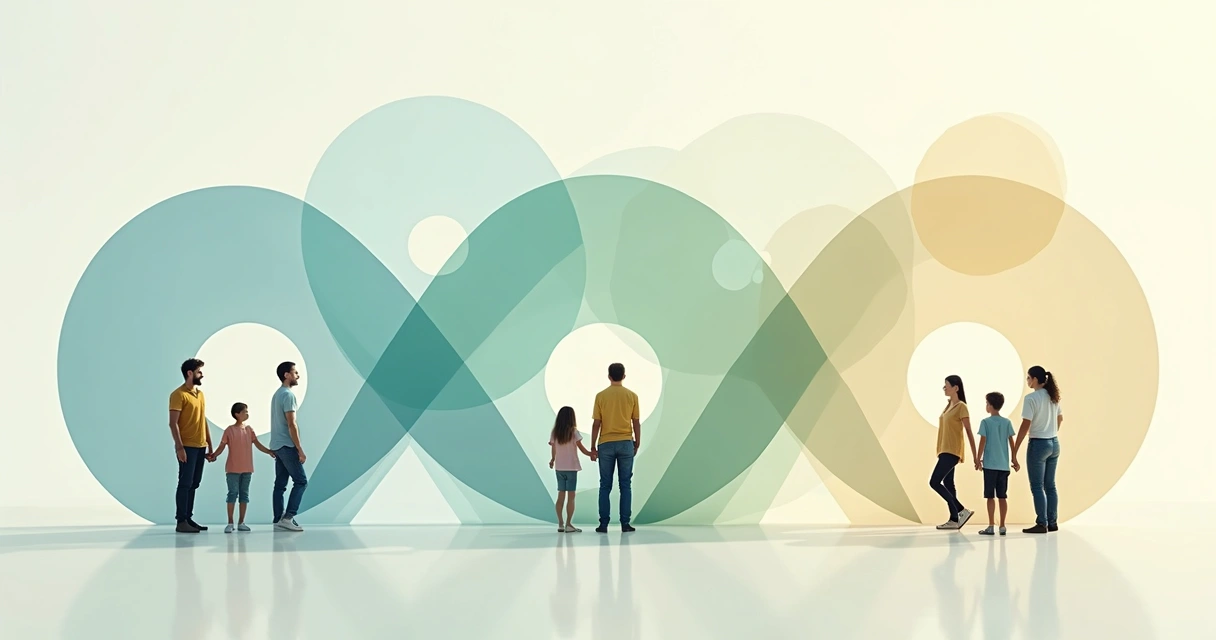
With this deeper view, our actions change. Feedback becomes safer, difficult conversations less threatening, and solutions more creative. We predict this shift will grow only stronger by 2026 as leaders, educators, and everyday people recognize how systemic empathy leads to real connection and change.
The principles of systemic empathy
Based on our studies and experience, there are some guiding principles we follow with systemic empathy. These help move the theory into daily habits:
- Listen with three levels: To the words spoken, to the emotions felt, and to the unseen structures present.
- Ask, not assume: Replace guesses about motivation with honest, curious questions about history, environment, and priorities.
- Hold multiple stories at once: Practice sitting with discomfort, knowing every person and group holds valid but incomplete views.
- Name patterns, not just actions: Notice what repeats, what silences, and what gets rewarded or punished.
- Remember the ripple effect: Every kindness, boundary, or injustice echoes far beyond the moment.
These principles bring us from “either/or” thinking to “yes, and.” They ask us to strive for both care and clarity, for both inclusion and challenge.
Practical steps for building systemic empathy
Change starts small. Here are some actions we take and suggest to nurture systemic empathy in groups, families, or teams:
- When tensions rise, pause and ask: “What underlying system might be shaping this reaction?”
- Map out connections. Who is involved? Who is affected? What structures are guiding choices, even if invisible?
- Ask everyone present, including yourself: “How are we each part of this pattern?”
- Choose language that reflects the whole, like “We seem stuck” instead of “You are wrong.”
- Practice patience with complexity. Not every problem has a tidy solution. Sometimes, seeing the system is the step forward.
The more we see systems, the less we blame and the more we understand.
What will change by 2026?
Our research and real-world experiences show that systemic empathy is not a trend, but a real evolution. By 2026, we believe more organizations, families, and communities will expect this broader mindset from their members and leaders. Training programs, conflict approaches, and leadership development will focus less on “fixing” the individual and more on growing awareness of the whole.

We also expect new tools for visualizing connections, histories, and dynamics in a group. These will support people in noticing what has always been present, but often unnamed. As this shift unfolds, it may feel unfamiliar at first. Yet, systems thinking is part of our nature. Children play in groups, cultures grow from shared stories, and even our bodies run on networks. It is less about learning new tricks, and more about remembering what has always been true.
Conclusion: The future is conscious connection
Perspective-taking paved the way for more empathy in the past. But our world calls for more than emotional guessing games. By 2026, we see the move to systemic empathy as a conscious, needed step.
Systemic empathy is about seeing the web, not just the thread.
If we build habits that honor both the individual and the system, we create more spacious, humane environments in every setting. Teams produce better ideas. Families repair old wounds. Communities slow down cycles of blame and speed up new solutions. Every small, systemic act of empathy puts us all on a path toward healthier futures.
Frequently asked questions
What is systemic empathy?
Systemic empathy is the ability to recognize and understand both individual feelings and the broader context, relationships, and systems influencing those feelings. It moves beyond simply sharing emotions to include an awareness of group norms, power structures, and the history that shapes each situation.
How is systemic empathy different from empathy?
Traditional empathy usually means seeing the world through another person’s eyes or sharing their feelings in a given moment. Systemic empathy, on the other hand, expands attention to include how social, cultural, or organizational systems impact everyone involved. It includes, but is not limited to, understanding other people’s perspectives.
Why move beyond perspective-taking?
Perspective-taking can ease some tension between people, but often misses underlying patterns, power roles, and silent rules that shape behavior. By moving beyond it, we can address issues at their roots, create more lasting solutions, and avoid repeating the same conflicts or misunderstandings.
How can I practice systemic empathy?
We recommend starting with listening for both what is said and what goes unsaid. Ask open questions about group dynamics and past experiences. Notice the influences that shape everyone’s actions. You can also map connections and consider who benefits or is left out in a situation.
Is systemic empathy important for organizations?
Yes, systemic empathy builds stronger, more resilient organizations by helping teams notice sources of conflict, inclusion, or exclusion across the system. It supports better collaboration, clearer communication, and addresses not just individual issues but recurring patterns that affect performance and wellbeing.