

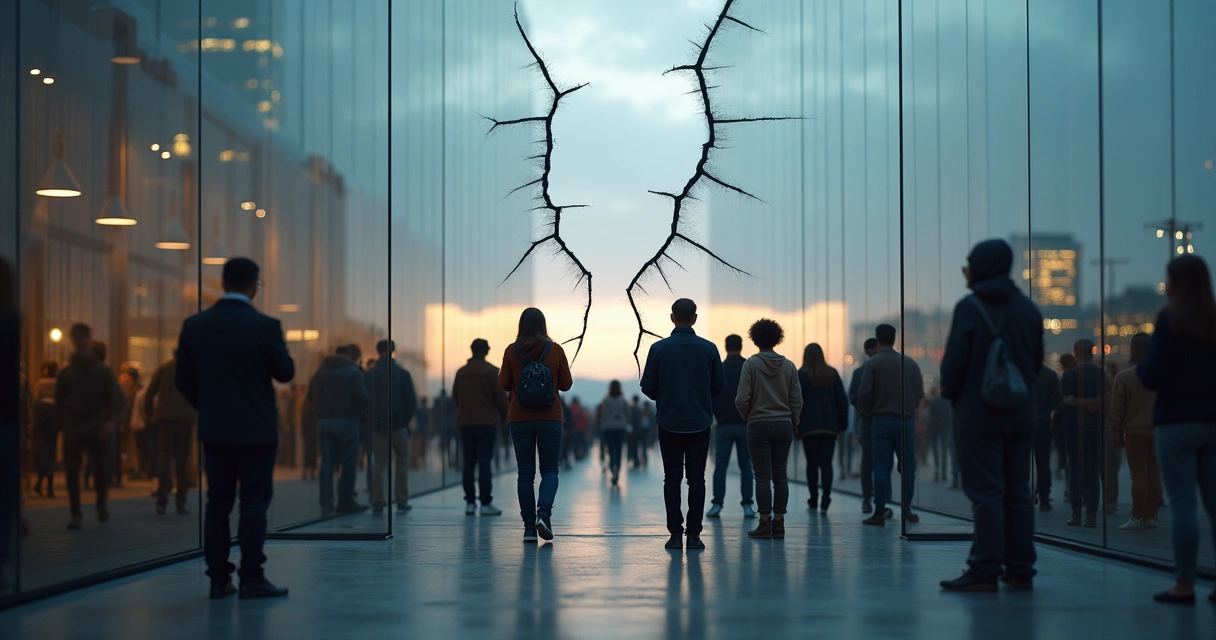
In the fast-moving world of today, the way we relate to one another is constantly evolving. Yet, beneath all this change, invisible patterns persist—patterns often shaped by shared wounds from the past. These deep marks are what we recognize as collective trauma. We see its traces not just in news headlines or public conversations, but woven quietly into the fabric of our daily connections.
What is collective trauma and why does it matter?
Collective trauma refers to psychological wounds shared by entire groups due to significant adverse events. These events might include wars, natural disasters, economic collapse, or social injustice. Unlike individual trauma, which impacts one person at a time, collective trauma settles across communities and even generations. We have all seen its effects—sometimes, without even realizing it.
When collective trauma occurs, the pain doesn't stop with direct victims. Instead, it echoes through families, local groups, and whole societies. The effects might not always be dramatic or immediately obvious. But they are enduring.
Some wounds do not heal because we do not know they are still open.
We find that these shared wounds influence the way we trust, communicate, and build closeness with others. When left unaddressed, old fears can shape new relationships—often below our conscious awareness.
The way collective trauma spreads
Collective trauma is not a distant chapter or just a news story; it has a way of living on in thoughts, emotions, and the rules people live by. Sometimes, it gets passed down within families as silent pain or strict routines. At other times, it can be picked up from school environments, workplaces, or the media.
In our experience, there are several pathways for this transfer:
- Family narratives: Stories told (or untold) about past hardships create invisible expectations about safety, loyalty, or fear.
- Social norms: When groups go through collective suffering, they often adapt ways of behaving that get repeated and reinforced over time.
- Unquestioned beliefs: Assumptions about trust, power, and belonging may be shaped by past events that most have forgotten but still shape reactions today.
We see how such patterns can settle into the rules of relationships—who gets to speak, who keeps silent, what topics are avoided, or what is expected during conflict.
How collective trauma shapes our relationships
When collective trauma is present, it can leave a clear mark on relationships, even generations after the original event. Let’s look at some of the main ways this happens.
Mistrust and emotional distance
People whose communities have experienced hardship often learn caution as a way to survive. Even after safety is restored, this caution may linger. Some couples or friends might find themselves avoiding vulnerability or struggling to believe in the goodwill of others. This distance can be hard to name, but it’s real.
Role confusion and expectations
Struggles endured by previous generations shape what people see as “normal” in relationships. For example, a family that coped with loss by keeping emotions hidden may pass on the idea that strong feelings are not welcome. This can lead to misunderstandings, especially when two people come from backgrounds marked by different traumas.

Repeated cycles of conflict
Trauma can set the stage for repeated misunderstandings or overreactions. A small disagreement may trigger a deep, inherited fear of abandonment or betrayal. When neither partner is aware of these deeper influences, conflicts repeat with no clear reason.
When partners or friends both carry unhealed collective trauma, the challenges multiply. Small problems become symbolically loaded. Everyday tensions can begin to feel overwhelming.
Examples of collective trauma influencing modern relationships
Let’s imagine a few real-life patterns we have seen in our work:
- Financial insecurity: A couple, both raised in families hurt by economic crisis, find themselves fighting about small purchases. Beneath the arguments, both carry old fears about scarcity and security. Their anxiety isn’t only about money, but about the world feeling unpredictable and unsafe.
- Inherited silence: A family who fled conflict generations ago avoids talking about feelings. As adults, brothers hesitate to share sadness or ask for help, fearing vulnerability equals risk—even when real danger is gone.
- Distrust between groups: Friends from different backgrounds try to connect but notice moments of awkwardness or hesitation. Sometimes, ancient group wounds—passed from parent to child—create barriers neither friend recognizes at first.
The body remembers
What we have observed is that trauma doesn’t live only in thoughts or stories. It creates subtle “body memories.” Increased tension, a faster heartbeat during arguments, or even a sense of numbness can point to inherited fears.
Our nervous systems learn to expect certain things, even if we ourselves have not experienced trauma directly. The result is that we may react to loved ones with surprise, fear, or even withdrawal, when the actual threat is long past.
Paths to healing and building trust
Awareness is the first step. When we see how collective trauma impacts daily life, we gain a chance to respond instead of simply repeat old cycles. We’ve witnessed several helpful approaches in supporting modern relationships:

- Conscious communication: Learning to name emotions and thoughts, even when uncomfortable, breaks cycles of silence.
- Practices to restore safety: Small rituals—like regular check-ins, shared routines, or even holding hands—help reassure the brain and body that the past is over.
- Community support: Healing is often faster when people feel seen and understood by others going through similar experiences.
- Education and reflection: Understanding the roots of collective trauma puts present-day struggles in context, reducing shame and self-blame.
Conclusion
Collective trauma is not just a historical fact. It is a living influence on relationships today. By becoming aware of its presence, acknowledging its impact, and taking steps to address it together, we can create healthier connections—both for ourselves and the generations to come.
Frequently asked questions
What is collective trauma in relationships?
Collective trauma in relationships happens when shared experiences of pain or loss shape how groups of people relate, even across generations. This may affect trust, communication, and expectations in couples, families, and friendships.
How does collective trauma affect couples?
It can create tension, add to misunderstandings, and make it hard for partners to feel safe or open. Old fears from their communities or families may resurface during conflict or stress, even if the original event happened long ago.
Can therapy help with collective trauma?
Yes, therapy can help both individuals and couples name the impact of collective trauma, recognize inherited patterns, and learn new ways of connecting. Group and community-based approaches often speed up healing by providing shared understanding.
How to heal from collective trauma together?
Healing together often begins with honest conversations, ongoing support, and the willingness to learn about the past. Establishing safe routines, attending group sessions, and working on trust day by day also play a key role in recovery.
What are signs of collective trauma?
Some signs include high levels of mistrust, fear of being vulnerable, repeated conflicts about issues that seem minor, or unspoken rules about what can or cannot be discussed. These patterns often appear in multiple families or groups who share a similar history.