


Emotional patterns are often passed down from one generation to the next, deeply influencing how we think, feel, and act. These patterns can become so familiar that we see them as permanent traits, rather than as stories written over time. Yet, we can disrupt them. The process is not always simple or quick, but it is real, measurable, and life-changing. Our perspective is anchored in seeing the human being as an interconnected system, where mind, emotion, behavior, and purpose work as a full ecosystem. Here, we share practical strategies to help interrupt inherited emotional patterns and create fresh ways of relating with ourselves and others.
Understanding inherited emotional patterns
Before disruption comes awareness. In our experience, inherited emotional patterns are automatic responses shaped in early life by family, culture, and lived experiences. They serve as invisible maps that guide reactions to joy, stress, conflict, or even success. Patterns might include withdrawing in the face of conflict, people-pleasing, perfectionism, or persistent feelings of unworthiness. These are not just personal habits—they are often echoes of what our parents, grandparents, or communities modeled for us.
Becoming aware of these patterns can be uncomfortable at first, but it opens the door to change. We sometimes see people resist calling their patterns "inherited," fearing blame or shame. But this process is not about accusation. It is about seeing clearly, without judgment.
Clarity comes before change.
How to start recognizing your emotional inheritance
Recognition is the ground floor of transformation. We encourage these three steps as a starting point:
- Notice emotional triggers: Keep a daily log. When do you feel anxious, angry, or shut down? Write what happened, what you felt, and your first reaction.
- Observe repetition: After a few days, review your log. Do certain emotions show up more often? Do your emotional reactions seem familiar, maybe resembling those of a parent or caregiver?
- Reflect gently: Ask yourself—in what ways do these patterns serve you? Where do they limit you?
Self-reflection brings hidden patterns into the light, making them possible to shift.
Practical strategies for disrupting inherited emotional patterns
Once we see our patterns, we can begin to disrupt them. Disruption means breaking the automatic link between stimulus and reaction, making space for new choices. Below, we share practical strategies that have shown consistent outcomes in provoking real change.
Pause and witness before reacting
When a familiar emotional wave rises, practice pausing. Even three slow breaths can create distance between the event and your usual response. During this pause, ask, "Am I reacting, or am I choosing?"
A pause holds the power of new beginnings.
Create a map of your emotional triggers
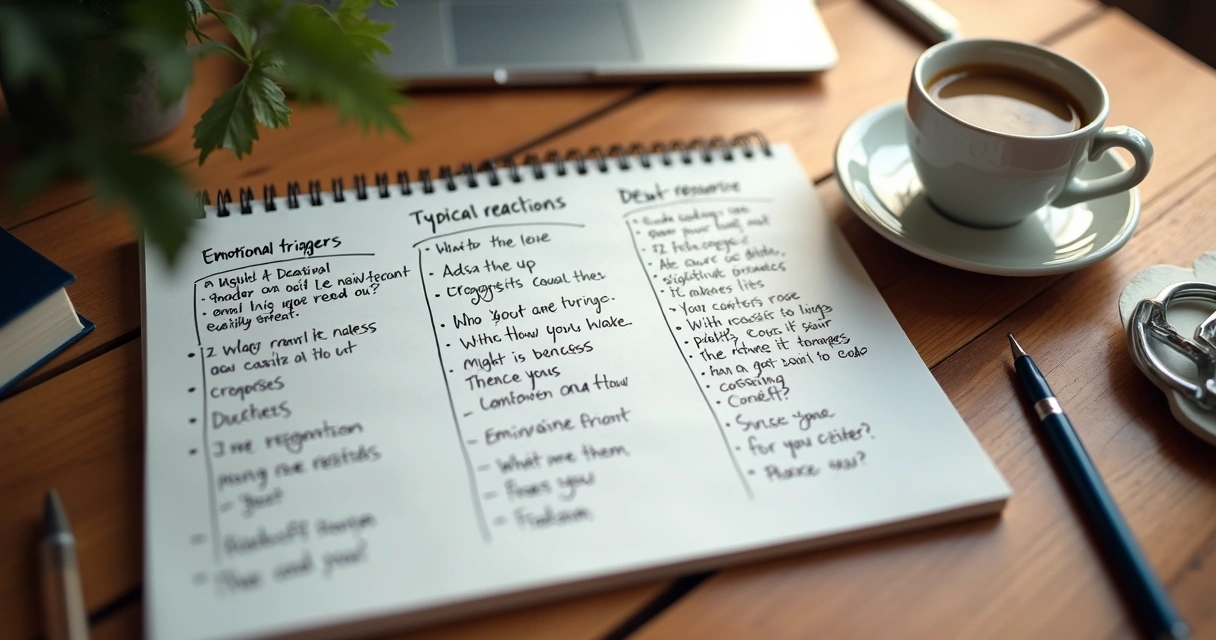
Draw two columns: in the left, list common triggers. In the right, write your usual reactions. Now imagine (or write) a third column—possible new responses. By mapping this, we visualize choice where before there was only habit.
Body awareness as a tool for change
Patterns are not just in the mind—they live in the body. We have noticed how emotions manifest in muscle tension, posture, or breath. Try this: Next time you sense a known emotional trigger, scan your body. Where is there tightness? Where is energy moving or stuck? Simple actions, like unclenching your jaw, relaxing your hands, or letting your shoulders drop, send the message to your nervous system: "It is safe to choose differently."
Reframe your inner dialogue
Inherited beliefs ride along with emotional patterns. Replace automatic thoughts like “I always mess up” or “I have to do this alone” with new, grounded statements. Write them down. Read them daily. If you struggle with harsh self-criticism, experiment with speaking to yourself as you would to someone you love.
Construct intentional emotional rituals
Habits are formed by repetition within contexts. Change the context to change the habit. We often suggest creating small rituals that signal safety, comfort, or courage before a usual trigger arises. Examples include a pre-meeting mantra, a walk around the block after receiving difficult news, or drinking a glass of water before responding in conflict. These acts create micro-moments of agency that slowly rewire your responses.
Break the silence: communicate consciously
Inherited patterns thrive in silence. When possible, share what you are working on with a trusted friend, family member, or mentor. Voicing your process transforms private struggle into shared human experience. Boundaries and vulnerability work together here—open up where you feel safe, and respect your own pace.

Integrating new behaviors over time
Consistency is more powerful than intensity. Small, repeated choices rewrite patterns deep in the nervous system. In our view, patience is a hidden ally here. If you notice yourself falling back into an old pattern, that is part of the work. Each awareness shapes your future response. Instead of perfection, aim for progress—moment by moment.
- Track weekly progress in a journal.
- Reward small wins—notice when you do something new, no matter how slight.
- Forgive setbacks; they are signs of growth, not failure.
Change is a conversation between past and present.
The impact beyond the self
As we disrupt inherited emotional patterns, we naturally influence those around us. Families become safer spaces. Friendships deepen in honesty. The workplace feels less reactive, more collaborative. It is not about controlling others, but about leading from a new place within ourselves.
We have seen that even one person’s change can echo through whole systems. New choices interrupt cycles of conflict or withdrawal that may have stretched back generations. This is a quiet, profound type of leadership—by presence as much as by words.
Conclusion
Inherited emotional patterns are powerful—but not unchangeable. Through awareness, intentional disruption, and real practice, we can create new emotional pathways. This process honors where we come from, while inviting something fresh for ourselves and those around us.
Every new response is a small act of freedom.
Frequently asked questions
What are inherited emotional patterns?
Inherited emotional patterns are automatic emotional responses, beliefs, or behaviors acquired through family and cultural modeling, shaping how we react to the world without always realizing it. They can include habits like avoiding conflict, seeking approval, or feeling unworthy, often repeating across generations unless disrupted.
How can I identify my patterns?
Begin by observing your reactions in stressful or emotional situations. Keeping a daily log of triggers and your responses can reveal repeated themes. Reflect on how these patterns may resemble those of your caregivers or family, and ask yourself where they might be limiting your growth or choices. Over time, self-reflection brings clarity.
What are effective ways to disrupt them?
Some of the most effective strategies include pausing before reacting, mapping triggers and typical responses, using body awareness to calm automatic reactions, reframing negative inner dialogue, building small emotional rituals, and communicating openly in safe relationships. These practices open up new pathways for choice and connection.
Is it worth it to seek therapy?
Therapy can provide supportive guidance, accountability, and specialized tools that help in understanding and changing inherited emotional patterns faster and more safely. It is especially helpful for patterns that feel overwhelming, entrenched, or deeply linked to painful memories.
Can these patterns be changed permanently?
Yes, with awareness and consistent practice, inherited emotional patterns can shift in lasting ways. While traces of old reactions may sometimes surface, the ability to choose a new response grows stronger over time, creating a permanent change in direction even if occasional setbacks occur.