

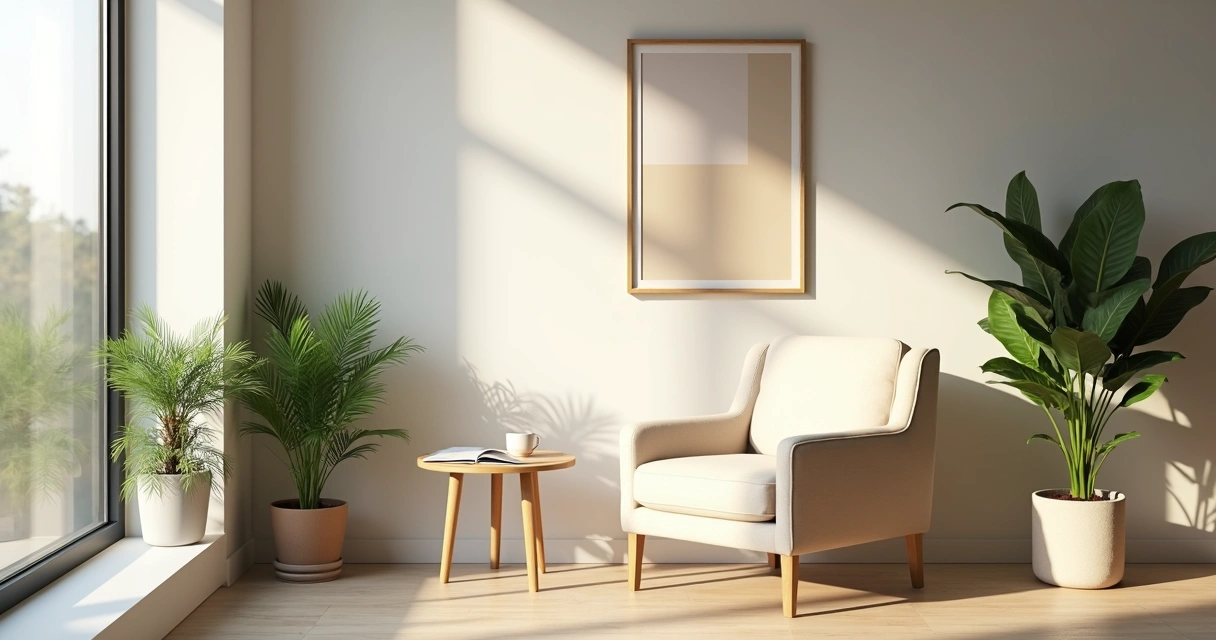
In our day-to-day lives, moments for genuine reflection are rare. Yet, the spaces where we pause, breathe, and notice ourselves often shape our thoughts and actions. We have come to see that intentionally designed environments foster greater self-awareness, deeper thinking, and authentic connection. Whether at home or at work, a reflective space becomes a resource that supports our emotional and conscious maturation. It is not about cost or luxury but about care and purpose.
Why reflective spaces matter
Many of us recall memories of quiet places, a favorite reading corner, a spot under a tree, or that silent room where time seemed to stand still. There is something almost magical about a setting carved out for thought and presence. If our environments can encourage distraction, the reverse is also true: they can support focus, calm, and introspection.
Stillness changes how we relate to our selves and to others.
We see reflective spaces as a way to build resilience and clarity. Research and practical experience show that a nurturing space can:
- Reduce mental clutter and stress
- Calm emotional responses
- Encourage conscious choices
- Nurture creativity
- Enhance interpersonal connections
Reflective spaces are a simple answer to a common need: the need to stop, sense, and choose our paths with awareness.
How to identify the purpose of your reflective space
No two spaces will look or feel the same. We always start by asking ourselves: “What do we want this space to bring about?” A reflective nook for meditation, for example, will not be identical to one used for mentoring conversations or creative brainstorming. Without being rigid, we recommend some initial clarity:
- Do we want individual silence, shared dialogue, or both?
- Is this a place for formal reflection (journaling, meditation) or informal (open-ended thinking)?
- Will it serve as a temporary pause or longer, deeper work?
Even if your answer changes over time, setting an initial intention helps define what is truly supportive for you or your group.
Locating your reflective space: home and work possibilities
In our view, the “where” is as relevant as the “why.” At home, possibilities abound. By looking around, a corner of a bedroom, a balcony chair, an attic with afternoon light, we often discover potential resting quietly. Sometimes a simple act, like moving a chair near a window, creates an immediate shift in mood and awareness.
In a work setting, reflective spaces can be carved out of break rooms, unused corners, or even outdoor patios. The key is separation from the main activity: a slight change in furniture or lighting cues the brain that this place is different. Open offices often benefit from quiet pods or shielded alcoves.
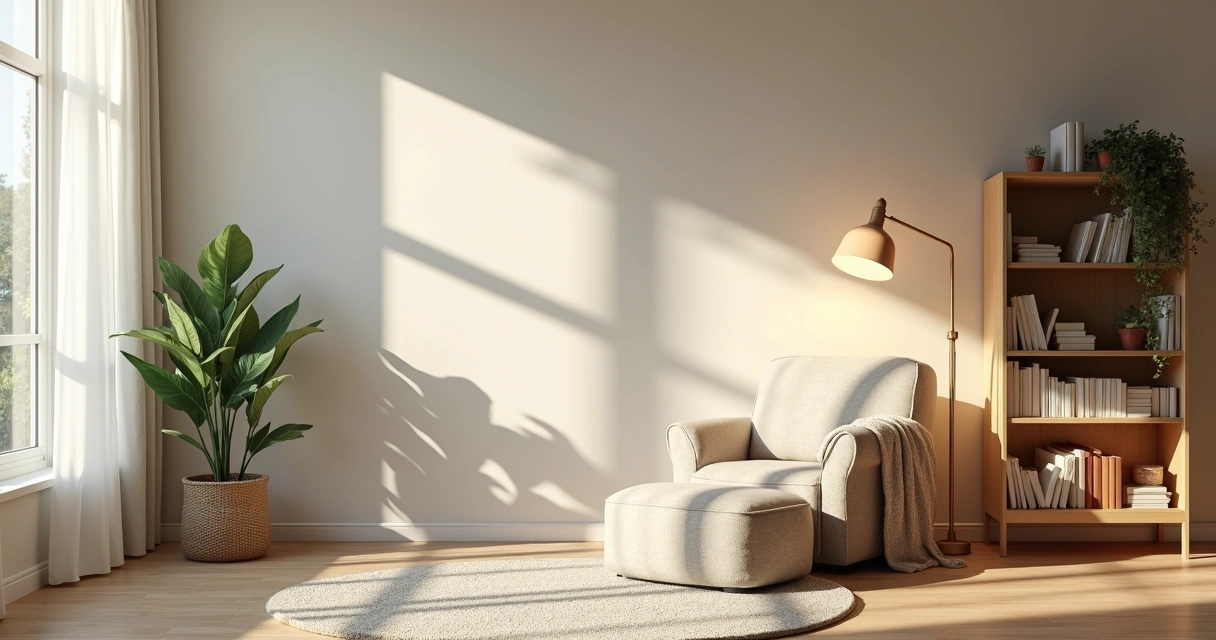
For shared environments, even temporary setups with folding screens or movable plants can create a zone distinct enough for retreat. The core principle: the space should feel separate from distractions and signal a quieter rhythm.
Elements that define a reflective space
Based on our experience, there isn’t a formula, but there are patterns. A reflective space often includes:
- Lighting: Soft, adjustable light helps regulate energy and mood. Natural light is ideal, but lamps with warm tones also create comfort.
- Seating: Comfort is key. Chairs, cushions, or even floor mats work, depending on your practice and body needs.
- Surfaces: A small table or notepad allows for writing, sketching, or arranging objects with meaning.
- Sound: Some prefer silence, others ambient background sounds, or gentle music. Consider what centers you best.
- Nature: Plants, stones, or a view outdoors connect us to the wider world and bring a sense of calm presence.
- Sensory harmony: Soft textures, warm blankets, or subtle scents (like lavender or sandalwood) can help anchor the senses.
- Boundaries: The space should have clear edges, whether by physical dividers or simple rituals of entry and exit.
We find it effective to keep decorations simple. Too many visual cues distract. Meaningful art, a single candle, or objects with personal significance can each invite a shift towards presence.
Practical steps to set up your own reflective space
We suggest starting with what you already have. You don’t need to buy much. Even the act of clearing clutter from a small area can set a different tone. Here’s a basic guideline we use:
- Choose your spot: Find a place with the least interruptions, even if small.
- Clear and clean: Remove items that don’t fit with a sense of calm or purpose.
- Add comfortable seating: Use what is available, a favorite chair, a cushion, or even a thick rug.
- Set the lighting: Bring in a lamp or adjust existing bulbs to softer tones. If near a window, adjust curtains to manage daylight.
- Select grounding additions: Plants, a calming photo, or items that speak to your inner journey.
- Minimize noise: Use curtains, rugs, or screens to buffer sound. Headphones with calming tracks can also help if silence is not possible.
- Keep accessible tools: A notebook, favorite pen, or a device for music.
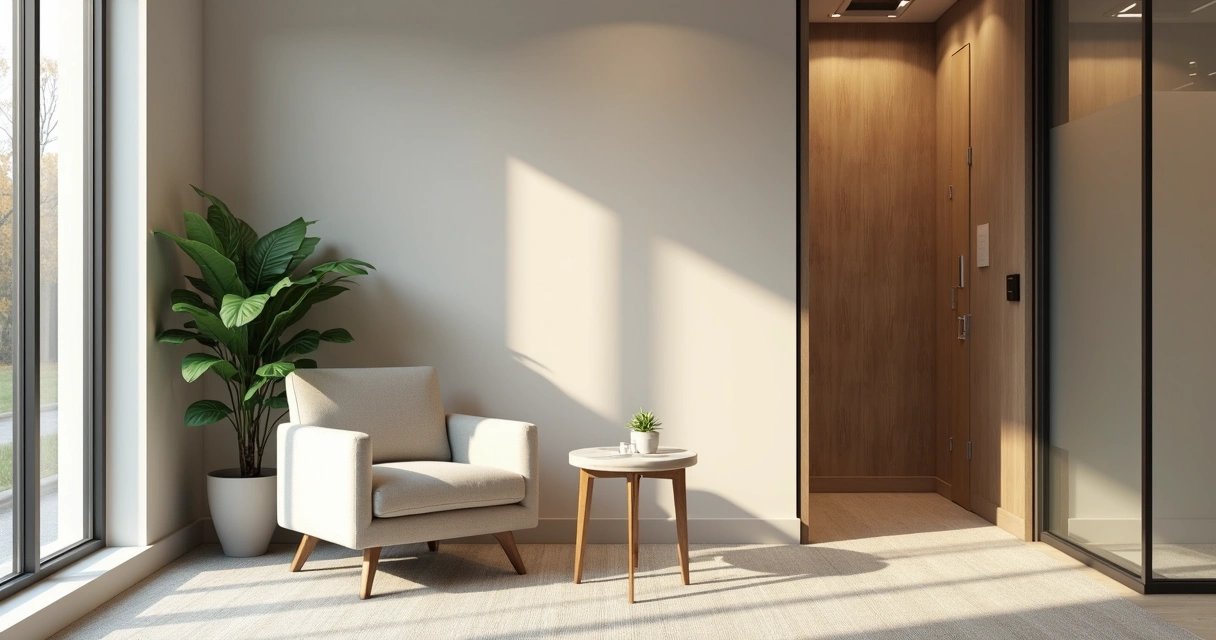
Often, the smallest places have the most lasting impact when we give them our true attention and care.
Maintaining and evolving your reflective space
With use, spaces will change. Our homes and workplaces shift as life flows. We recommend regularly returning to the intention behind your reflective area. Ask yourself and those who use it:
- Is this space still supporting deep thought and calm?
- Should we freshen it with new objects or adjust the seating?
- Do boundaries or sounds need to be reviewed?
Small updates, a new plant, softer lighting, or even a simple cleaning ritual, can revive the meaning the space holds. In shared environments, a brief conversation or co-creation can help keep the space aligned with its purpose.
Over time, we often discover that our need for reflection grows, not shrinks. Creating a dedicated space is a first step, but regular use and gentle adjustment anchor it in our lives.
The place we make for reflection becomes the place we find ourselves again.
Conclusion
We have seen, both personally and through work with others, how a thoughtfully designed reflective space can support self-understanding, stronger relationships, and a clearer sense of purpose. These spaces do not require luxury or perfection. Instead, they need intention, care, and a willingness to adjust. At home or at work, a reflective area stands as a gentle invitation: pause here, sense deeper, choose well. As we grow these pockets of awareness, we enable lasting change inside and out.
Frequently asked questions
What is a reflective space?
A reflective space is a dedicated area designed to support quiet thought, mindful presence, and personal or collective insight. It helps individuals pause from daily activity, connect with their inner world, and choose their next steps with greater awareness.
How can I create a reflective space?
Start by choosing a distraction-free spot, clear it of clutter, and add comfortable seating and supportive items like soft lighting or a plant. Boundary markers, like a screen or rug, also help. The goal is to create a small environment that feels separate from work or daily noise and encourages calm attention.
What are the best colors for reflection?
Soft, neutral colors such as pale blues, greens, white, beige, and gentle earth tones are widely recognized as calming and supportive for reflective spaces. These shades help quiet the mind and allow deeper focus, whether in personal or professional settings.
Is a reflective space worth it at work?
Yes, a reflective space in a work environment provides a place to recharge, gain perspective, and strengthen decision-making. Colleagues benefit from clearer thinking and well-being, and the wider organization often sees improvements in morale and resilience.
What furniture suits reflective spaces best?
Comfortable, simple furniture that does not overcrowd the area is ideal. Armchairs, soft mats, low tables, and floor cushions are all good choices. The furniture should promote ease and relaxation, supporting the purpose of conscious reflection.