

In recent years, we have seen a growing shift in the language of leadership and organization. Words like values, responsibility, and sustainability have become part of daily conversation. However, as we move towards 2026, a new question is taking center stage: What is ethical impact and why should it redefine our understanding of success?
Rethinking what it means to “succeed”
For generations, success meant financial profit, rapid growth, and market domination. All that mattered was the outcome, the numbers at the end of the quarter. Yet, as we listen to the deeper concerns of our society, and the hunger for more conscious models of living and working, it is clear these definitions are no longer enough.
“Numbers tell only half the story.”
As we move towards 2026, we see that success is being redefined. Success is no longer measured by personal gain alone, but by the broader impact our actions have on the world around us.
What exactly do we mean by ethical impact?
Ethical impact refers to the actual, observable effects of decisions and behaviors on the well-being of individuals, communities, and the systems we depend on. It goes beyond compliance or good intentions. Instead, it asks a powerful, simple question: “Does what we do contribute to a better world, or not?”
When we think about ethical impact, we look at several dimensions:
- How our actions influence the physical and mental health of people around us
- The level of truth and transparency in our communication
- The environmental consequences of our choices
- How our practices support justice, equality, and dignity
- Whether we foster sustainable results, not just short-term outcomes
Ethical impact isn’t abstract. It is personal and collective, present in every email we send, decision we make, and system we build.
The rise of integrity as a core value
We have observed that as values shift, transparency and integrity become more non-negotiable. In the past, organizations could separate their public image from their inner workings. Today, people expect action to match words.
Integrity means alignment between what we say, what we believe, and what we actually do. When we focus on this alignment, ethical impact becomes unavoidable. It shapes trust, which is the foundation of every relationship, professional or personal.
Ethical impact as a daily practice
Bringing ethical impact to life requires more than annual reports or policy statements. It shows up in routine choices. We believe it is a living practice, a continual inquiry.
- Before launching a new product, do we consider all stakeholders, not only shareholders?
- Are we listening to feedback from every level of our community?
- Do our operations reflect the values we promote?
- Can we explain our choices when questioned by those who are most affected?
The habit of asking these questions moves ethical impact from concept to reality. We have learned that when we pause to consider effects, we begin to see new paths forward.
How do we measure ethical impact?
At first glance, ethical impact might sound hard to measure. Unlike sales figures, trust or justice are not always visible on a spreadsheet. Yet, we have found clear markers that can be tracked:
- Employee wellbeing and retention rates
- Feedback loops with consumers and partners
- Community engagement and benefit
- Improved accessibility and inclusion
- Reduction in negative environmental outcomes
The more consistently we track and adjust for these indicators, the more ethical our impact becomes.

Connecting personal and collective purpose
We have seen the dilemma many face: “How can I make a difference in a world so complex?” It is easy to become overwhelmed. But, ethical impact starts with our sphere of influence, the relationships we maintain, the choices we endorse, the culture we shape.
Over the last years, we have noticed a growing desire for work and life to have meaning beyond personal achievement. This calls for us not just to consider “What can I get?” but “What can I give back?” When our vision moves from self to system, our actions align with a bigger purpose.
Ethical impact occurs when our daily actions support the flourishing of everyone involved, not just ourselves, but also clients, employees, communities, and the planet.
The new face of leadership and innovation
In the world ahead, we believe leadership must prioritize ethical impact at every level. This means leaders who not only talk about values but embody them. The result is a ripple effect, employees feel seen, customers feel heard, and communities feel valued.
Organizations at the forefront of change are looking for innovation that drives both market value and positive human impact. For example, they create products that are truly needed, use resources with care, and measure success through positive change.
Barriers and myths about ethical impact
As we encourage this shift, we often encounter myths. Some believe that prioritizing ethical impact means sacrificing competitive advantage or growth. In our experience, ethical practices rarely limit long-term results. In fact, they build trust and loyalty, opening doors that profit-focused models eventually close.
Concrete steps for growing ethical impact
If we want to bring ethical impact into our lives and organizations, we can start with these practical steps:
- Define a clear set of guiding values and share them openly
- Build feedback systems to hear from all stakeholders
- Evaluate decisions for their effects on both people and environment
- Reward behaviors that align with ethical standards
- Invest in ongoing education, dialogue, and reflection
Every choice, no matter how small, is a step towards a more ethical and sustainable future.
New metrics for a new era
As 2026 comes closer, we invite every individual and organization to consider:
- What does our “success” leave behind for the next generation?
- Whose lives are improved through our work?
- Are we proud of the stories we are writing today?
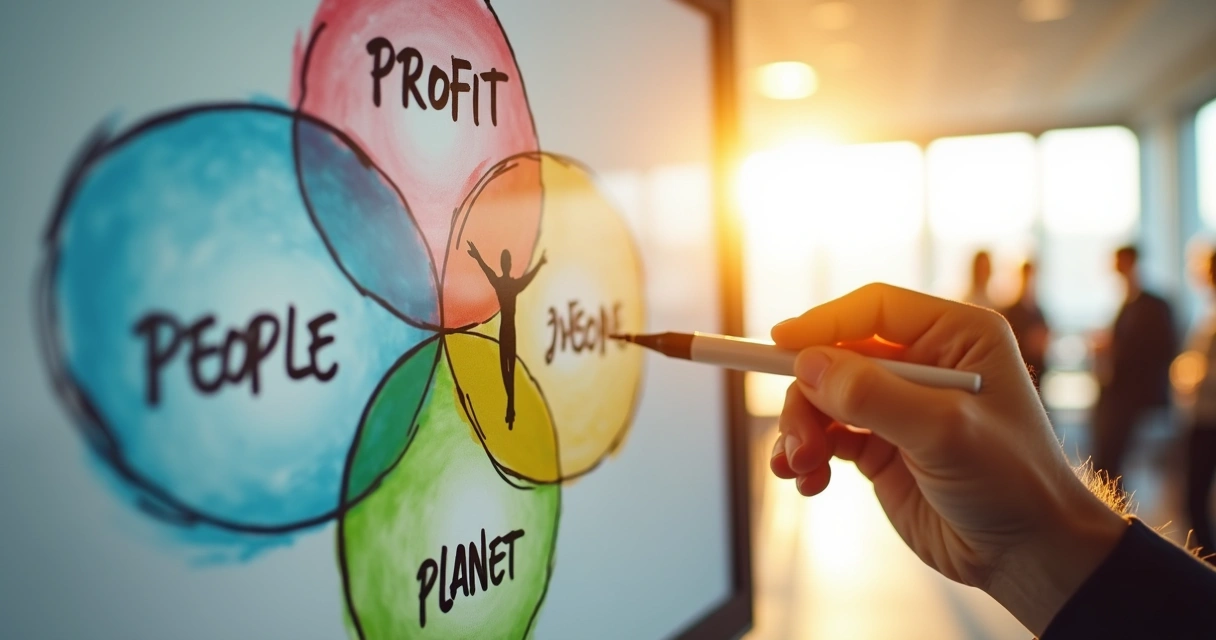
Asking these questions isn’t just an exercise. It is a way to design a more humane form of progress, where profit and purpose, growth and goodness, walk side by side.
Conclusion: Success with a conscience
Truly redefining success for 2026 means judging our actions by the marks they leave on people, nature, and society. Ethical impact is no longer an extra, but a requirement. It is possible to build organizations, lead initiatives, and live lives that create value in every direction. By placing ethical impact at the heart of our definitions of success, we are not only improving our communities, but also ourselves.
Frequently asked questions
What is ethical impact?
Ethical impact is the measurable effect that decisions and actions have on the well-being of people, communities, and the environment, based on shared values like responsibility, respect, and fairness. It asks whether our actions support positive, long-term outcomes beyond personal or financial gains.
Why is ethical impact important?
Ethical impact matters because it shapes trust, builds reputation, and ensures that progress does not come at the expense of others. Focusing on ethical impact leads to sustainable success and stronger relationships, both inside and outside any organization.
How can I measure ethical impact?
We can measure ethical impact using indicators such as employee well-being, customer feedback, inclusivity, community engagement, and environmental outcomes. Tracking changes in these areas over time gives a clear picture of the real effects our choices have.
What are examples of ethical impact?
Examples include implementing fair labor policies, reducing environmental waste, creating accessible services, supporting mental health, and building products that genuinely help people. Ethical impact is seen in actions that create lasting, positive change for individuals and society.
How to improve ethical impact in business?
To improve ethical impact, define and share your guiding values, listen to feedback from all stakeholders, review decisions for their social and environmental effects, reward ethical actions, and invest in ongoing education on ethics and responsibility.