


Identity is no longer just a word we put on a business card or attach to a digital profile. In 2026, it’s a living, shifting structure—a mosaic built from our beliefs, habits, values, history, and aspirations. But how do we maintain coherence in a world where change is constant and internal conflict is common? We believe the answer lies in a concept called identity anchors.
We’re drawn to this concept because it helps explain why some people move through transitions with grace, while others lose their sense of direction or feel lost at sea. When our world is uncertain, an identity anchor can provide stability without halting growth. Let’s look closer at how these anchors work, why they matter, and how we can consciously build them in 2026 and beyond.
What are identity anchors?
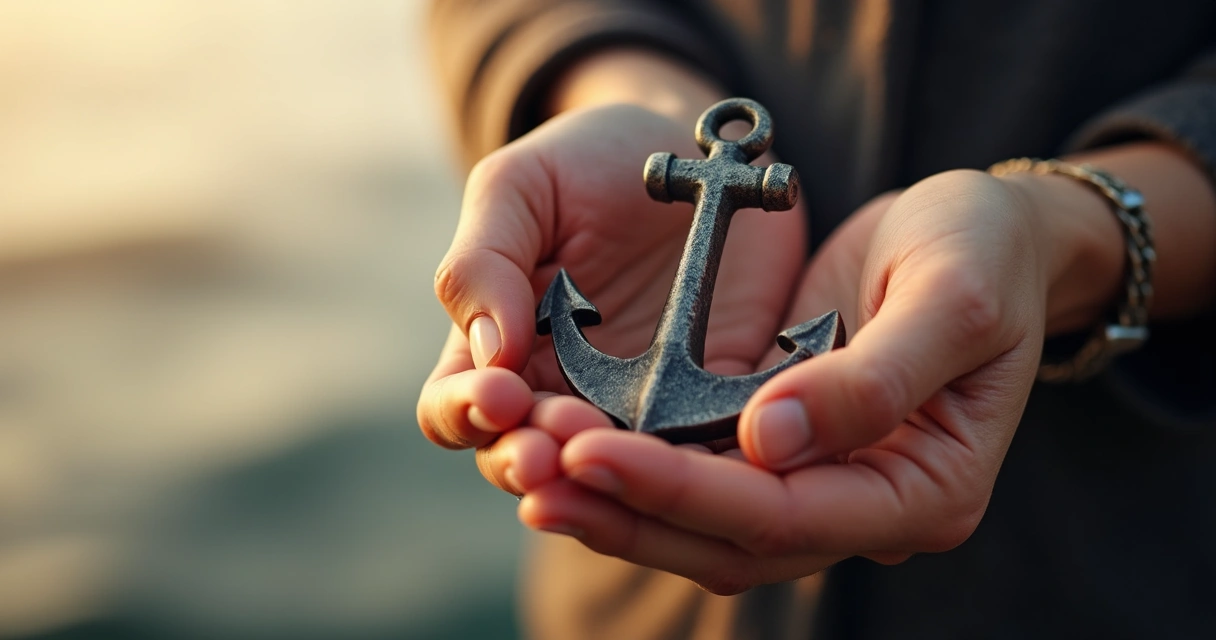
In our experience, an identity anchor is any deep-rooted belief, value, or personal narrative that helps organize our sense of self under stress or change. It’s what allows us to say, “Whatever happens, I am still this.”
Identity anchors are not static or rigid. They are adaptable, living guidelines we rely on when navigating uncertainty. Anchors can be internal—like a core belief in kindness or curiosity—or external, such as commitments to family, work, community, or a purpose larger than ourselves.
An identity anchor grounds us when everything else is in motion.
Types of identity anchors
We have noticed that identity anchors come in several forms. The most common include:
- Core values: Deeply held ideas like honesty, resilience, or service
- Personal narratives: Stories we tell about who we are or what we’ve overcome
- Practices and rituals: Activities or routines (like meditation, workouts, or journaling) that reconnect us with ourselves
- Relational commitments: Bonds we have with people or communities that reinforce who we strive to be
- Guiding principles: Internal “rules” or philosophies that shape our decisions and reactions
People usually have more than one of these, and the mix changes as our life evolves.
Why identity anchors matter in 2026
We see the world in 2026 as faster, more connected, and more unpredictable than ever. Artificial intelligence, new forms of community, economic shifts, and the merging of physical and digital life have created profound opportunities—and many new pressures. In this landscape, stable identity anchors help us adapt without losing coherence or dignity.
Anchors also support our relationships. When people with strong, healthy identity anchors move through change, they communicate with greater clarity and respect. Their authenticity is felt by friends, partners, and colleagues, often providing reassurance during shared transitions.
How identity anchors develop over time
Identity anchors aren’t handed to us at birth. We find, test, and shape them through experience. A teenager might draw strength from a core belief in fairness after facing injustice, while an adult could discover a guiding principle around adaptability during a career switch.
In our work, we encourage regular reflection questions to help surface and clarify these anchors, such as:
- Which guiding values have I never abandoned, no matter the changes I experienced?
- What practices do I return to when life feels chaotic?
- Which principles or stories help me make choices under stress?
- Where do my best decisions come from—values, relationships, or something else?
This reflection is ongoing. We’ve seen identity anchors grow stronger and more nuanced as people face new challenges or make meaningful changes in direction.
Strengthening your identity anchors
We think it’s helpful to treat identity anchors like a garden: they require care, awareness, and pruning of what no longer serves us. Here’s what we suggest for those looking to strengthen their identity anchors:
- Self-inquiry: Spend time reflecting on what is truly important. Write down beliefs or stories that feel non-negotiable.
- Mindful practice: Connect daily with habits or routines that reinforce your core values and quiet distracting noise.
- Check for alignment: Notice when your choices match or contradict your anchor points. Adjust thoughtfully.
- Revise and adapt: Accept that anchors can and should evolve. Let old anchors go if they no longer fit your current life.
- Share your anchors: Communicate your anchors to trusted friends or mentors—they can help you see blind spots.
Over time, these steps can create anchors that are resilient yet flexible—strong enough to withstand storms, yet light enough to move as we grow.
Identity anchors, authenticity, and growth
One of the most common questions we hear is: “Will I lose my authenticity if I change my identity anchors?” Actually, the opposite is true. Keeping our identity flexible, while rooted in authentic anchors, helps us respond to life’s changes in a genuine way. Authenticity is not about holding the same opinions forever, but about acting in line with our deepest, evolving truths.

Sometimes these shifts are uncomfortable. We may discover that a story or value that served us in the past is blocking our growth today. But when we are open to change and grounded in reflective practice, anchors stop being restrictions and start forming the base for the next level of development.
Authenticity grows stronger when it is anchored, not when it is rigid.
Balancing anchors with openness
While we support developing strong anchors, we know it’s possible to become rigid or defensive. We recommend reviewing identity anchors often and asking: “Do these anchors help me grow, or do they box me in?” If the answer is the latter, it might be time to update them.
Anchors should support our best selves, not cage us. In practice, the healthiest people we know hold their anchors lightly—strong enough to keep them on course, yet loose enough to shift direction when discovery demands it.
Conclusion
Identity anchors, in 2026, are living foundations for personal meaning, stability, and growth. As life becomes more complex, we’ve found that clear, flexible anchors help us live with dignity, connect with others, and respond courageously to whatever comes next.
By identifying, renewing, and sometimes replacing our anchors, we give ourselves a compass for change, not just a shield from it. We think it’s a practice that builds not only resilience, but joy and freedom in the long term.
Frequently asked questions
What is an identity anchor?
An identity anchor is a core belief, value, story, or principle that organizes how we see ourselves and respond to change or uncertainty. It helps us stay connected to our sense of self, even when our environment or roles are changing.
How do identity anchors work?
Identity anchors work by grounding us during times of stress or big transitions. They serve as internal reference points, guiding our decisions and actions so that we remain true to our deeper values even when things are unstable. They adapt with us and can be revised as our life evolves.
Why do I need an identity anchor?
Having an identity anchor provides stability, clarity, and direction during change. It supports healthy decision-making, better relationships, and resilience in facing challenges. Without clear anchors, people may feel lost or stressed when life changes quickly.
Is it safe to use identity anchors?
Yes, it is safe—as long as the anchors are authentic and reviewed from time to time. Healthy identity anchors support growth and well-being. If they become too rigid, they can limit development, so regular reflection is helpful.
How much do identity anchors cost?
Identity anchors are not products or memberships. There is no monetary cost to creating or using them. They are personal discoveries or decisions, built through self-reflection and life experience.