

Behavioral change is often described as a long journey with no guaranteed path. Many of us know the frustration of setting bold resolutions, only to watch them fade away. But what if genuine transformation isn’t born in huge, dramatic shifts? We believe change happens in the smallest possible steps—micro-habits—applied with intention, consistency, and awareness.
Understanding micro-habits
Micro-habits are tiny, simple actions we can perform daily without much effort or willpower. They might seem insignificant on their own, like drinking a glass of water after waking up or making our bed every morning. Yet, we have seen time and time again how these small routines can trigger larger patterns of change.
Small actions quietly nudge our lives in new directions.
Unlike ambitious goals that demand a dramatic change in routine or mindset, micro-habits are designed to be so small that resistance and fear of failure rarely show up. Over time, these tiny efforts blend into our day, quietly influencing how we think, feel, and act.
Why micro-habits work for conscious change
We have often asked ourselves why some changes stick while others disappear quickly. Through research and practical observation, we have identified several reasons micro-habits create real, conscious transformation:
- They bypass overwhelm: Large changes can feel intimidating. Micro-habits remain manageable and non-threatening.
- They are sustainable: The ease of small actions makes lasting repetition more likely.
- They signal intention: Every tiny step is a daily reminder of what matters to us.
- They create ripple effects: One shift often leads to another—drinking water leads to feeling better, which supports better choices throughout the day.
We have seen people start with a habit as simple as writing one sentence a day, who then grow into daily writers over time. They begin with conscious, gentle self-direction and feel less pressure. This gentle beginning makes it easier to stick with the new behavior until it naturally expands.

The science behind micro-habits and brain change
Inside our brains, habits are wired through repetition. Each time we repeat an action, we reinforce neural pathways, making the action more automatic. Micro-habits work so well because they:
- Require much less mental energy than larger commitments
- Trigger the brain’s reward system due to frequent, easy wins
- Allow for regular practice, which strengthens new habits and weakens old ones
Especially when aligned with conscious intention, micro-habits boost self-efficacy. We see progress every day, even if it’s small. This improves confidence and helps us feel in control of our own lives.
Micro-habits and self-awareness
True behavioral change isn’t just about new actions. We believe it requires deep self-awareness. Micro-habits invite us to pay attention. Each repetition prompts reflection:
- What am I feeling right now?
- Why does this action matter to me?
- How am I shaping my own path?
Micro-habits encourage mindful living, bringing our attention back to the present. This conscious presence is where we begin to notice patterns, triggers, and choices—opening the door for deeper emotional and behavioral change.
The ripple effect: How micro-habits spark broader change
We have witnessed in our practice how a single micro-habit can set off a series of positive changes:
One tiny change can lead to a cascade of personal growth.
For example, someone who sets a micro-habit of pausing to breathe before reacting in a stressful situation may quickly notice they are calmer. This calmness impacts interactions, work, and even sleep patterns. Over time, the person starts to feel more centered and intentional, building stronger relationships and achieving greater self-understanding.
Building blocks: How to create effective micro-habits
We have seen success comes when micro-habits share several key features:
- Clarity: Make the habit concrete and specific. “Drink a glass of water after waking up” is clearer than “be healthier.”
- Consistency: Attach the action to a regular trigger, like brushing your teeth or having breakfast.
- Reward: Celebrate completion with a small, positive acknowledgment.
Crucially, each micro-habit should connect to a personal value or deeper purpose. When we link action to meaning, it is much easier to show up, even on tough days.
When micro-habits fail: Adjusting with compassion
Not every new micro-habit sticks right away. Life is complex, and even small changes sometimes meet resistance. We have found that when micro-habits fail to embed, the best approach includes:
- Being gentle and forgiving, never harsh or critical
- Returning to the “why” behind the habit
- Adjusting the habit to make it even easier or more appealing
A flexible attitude allows us to refine our tiny habits until they fit naturally within our lives. This process encourages gentle persistence rather than perfectionism.
Micro-habits in different life domains
Micro-habits are not limited to just personal wellbeing. We have observed their impact across multiple areas:
- Relationships: Take 30 seconds to send an encouraging message to a friend each morning.
- Emotional health: Pause for three deep breaths before responding in a tense moment.
- Work: Review one key priority for the day before checking email.
- Growth: Read a single paragraph from a meaningful book every night before bed.
With patience and practice, these small steps build new neural pathways and transform our habits and mindset.
Conclusion: The hidden power of micro-habits
We believe micro-habits are practical tools for shaping real, lasting behavioral change. They allow us to move past resistance and overwhelm, making new routines simple and achievable, even for those with busy lives or uncertain motivation.
But their deepest power lies in how they reconnect us to conscious living. Each tiny act is a vote for the person we wish to become. Day by day, these gentle choices create noticeable shifts, not only in actions, but in awareness and self-understanding. Over time, the smallest habits can transform not just what we do, but how we think, relate, and live.
Frequently asked questions
What are micro-habits?
Micro-habits are simple, very small actions that can be done easily and repeatedly, often without much effort or stress. They are designed to be manageable so that they do not trigger resistance and become part of our daily routine almost automatically.
How do micro-habits change behavior?
Micro-habits change behavior by making new routines so easy to complete that they bypass internal resistance. Repeating these small actions forms new neural pathways, making it easier for bigger changes to develop over time.
Are micro-habits effective for everyone?
Most people benefit from micro-habits because they are not overwhelming and can be adapted to personal needs. The small size of each habit makes them accessible, but it’s helpful to adjust and personalize habits to fit each person’s life and motivation.
How can I start using micro-habits?
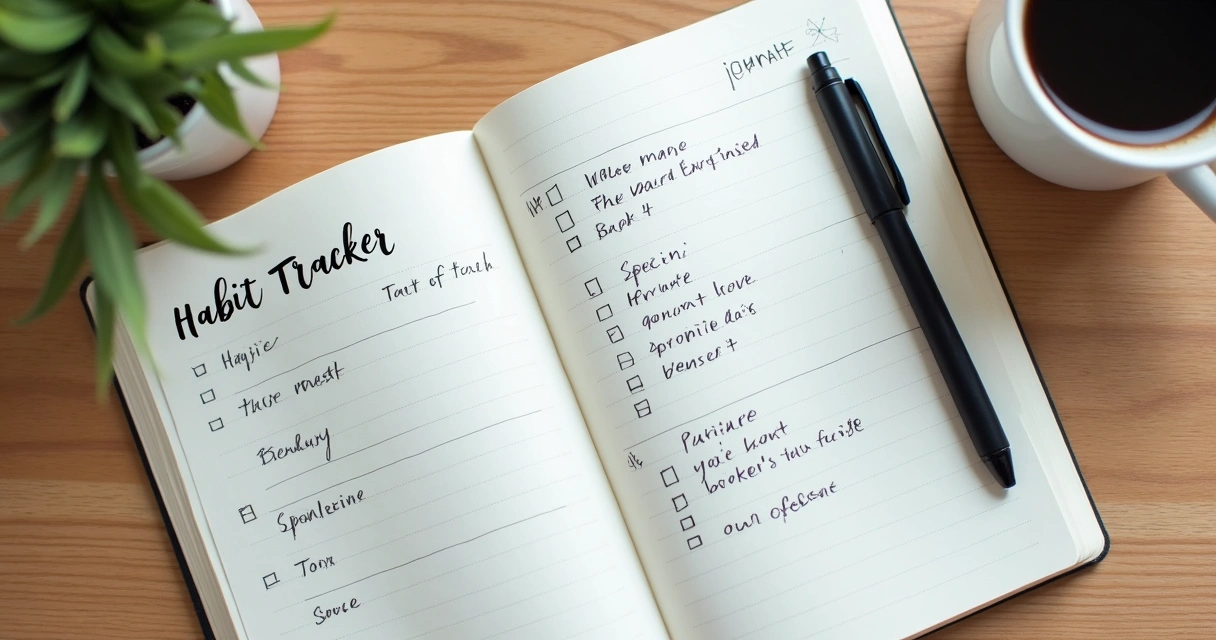
Start by picking one simple, specific action that takes less than a minute, and tie it to something you already do each day. Track your progress, celebrate small wins, and adjust the action if it feels too hard or does not fit your life.
What are examples of useful micro-habits?
- Drinking a glass of water right after waking up
- Writing one sentence in a journal each evening
- Taking three deep breaths before starting work
- Washing one dish immediately after eating
- Sending a positive text to someone every morning