


Self-reflection holds a unique place in the journey of personal growth. We often hear how essential it is to stop, look inward, and examine thoughts, feelings, and actions. Yet, while sitting with our own thoughts sounds positive, many people find themselves caught in patterns that seem more paralyzing than liberating. Are we using self-reflection to move forward, or are we holding ourselves back?
Understanding the purpose of self-reflection
Self-reflection is a tool. Like any tool, its impact depends on how, why, and how often we use it. In our experience, healthy self-reflection provides clarity, stretches our awareness, and encourages real, observable change in life.
When we step back to ask, "Why did I react that way?" or "What matters most to me right now?" we create space to grow beyond habit. But self-reflection is not just internal searching. It involves:
- Observing our thoughts and emotions carefully, without quick judgment
- Noticing patterns in behavior over time
- Challenging long-held beliefs and assumptions
- Choosing honest self-inquiry over blame or excuses
Self-reflection, when done well, becomes a bridge between where we are and who we could become.
Signs your self-reflection is helping your growth
How do we know if self-reflection is serving our transformation? We have observed a few clear signs that it is working for us:
- You notice new perspectives about an old problem
- You make different choices after reflecting, instead of repeating habits
- You are kinder to yourself when mistakes happen
- You move from feeling stuck to feeling clear about your next step
- Your relationships benefit from more thoughtful conversations
Growth often feels like clarity after confusion.
It is not about being perfect or fixing everything at once. It is about the gentle but real shift toward wiser action, greater understanding, and meaningful connection.

When self-reflection starts to hinder growth
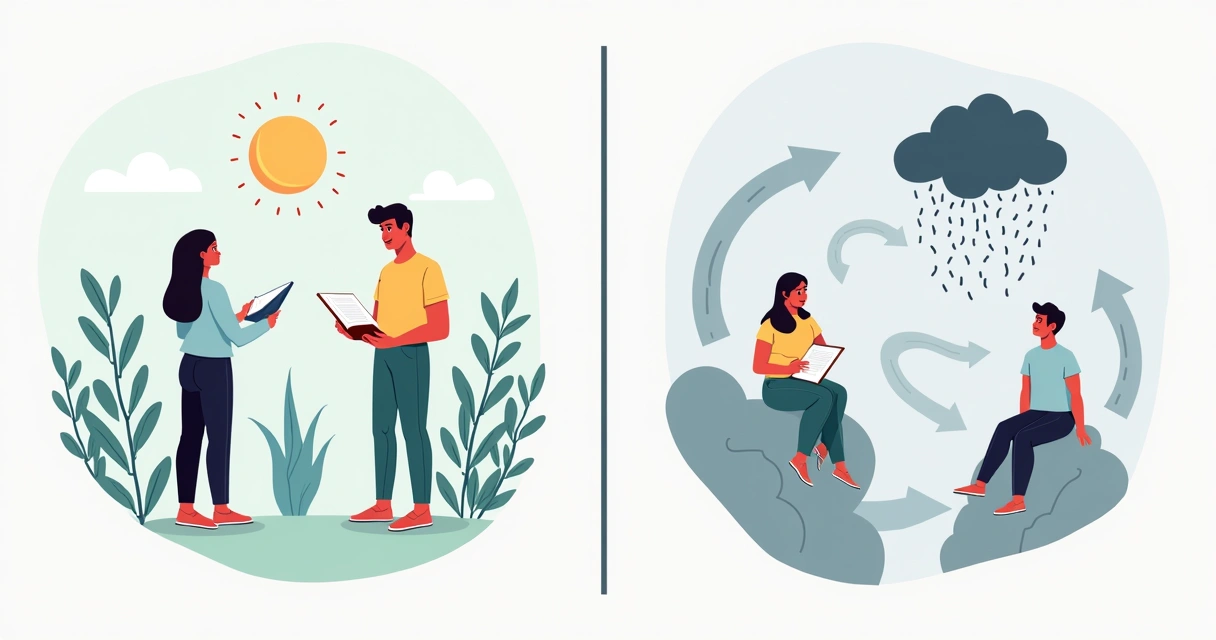
Not all self-reflection leads to progress. In fact, we can fall into traps where thinking too much or thinking in the wrong way starts to work against us. This often appears in two forms:
- Overthinking: You turn the same situation over and over in your mind, worrying about details or criticizing yourself without moving forward.
- Self-judgment: Instead of seeking understanding, you blame, shame, or become stuck in regret.
We have seen how too much focus on what went wrong, or on "fixing" ourselves, can drain energy and confidence. Reflection without compassion quickly becomes rumination.
Common patterns of unhelpful self-reflection
Some signs that self-reflection is going in the wrong direction include:
- You cannot stop replaying past mistakes, unable to move on
- You only focus on flaws, never strengths or progress
- Your mood gets worse after reflection sessions
- You avoid action, waiting for "perfect understanding" that never arrives
If you recognize yourself here, you are not alone. Many people fall into this trap, especially when aiming for rapid growth. Redirecting reflection toward honest learning, not constant criticism, makes all the difference.
Balancing self-reflection: Quality over quantity
We often think, "The more I reflect, the better." Yet, what truly matters is the quality of our reflection. Am I asking questions that open doors, or ones that close them? Am I interested in changing, or am I stuck just thinking about changing?
High-quality self-reflection focuses on learning, not just searching for faults.
Helpful self-reflection questions to ask
To encourage balanced reflection, we suggest questions like:
- What did I learn about myself this week?
- What felt challenging, and what supports could help next time?
- Is there something I see differently today compared to last month?
- What am I grateful for in my journey?
- What small action could move me forward right now?
Questions like these build a direct bridge between insight and action. Rather than only highlighting the gap, they recognize how far we have come.
Integrating mind, emotion, and action
We often think of self-reflection as a mental habit. But real growth happens when the mind, our emotions, and actions come together. In our experience, the most helpful self-reflection weaves all three:
- Mind: Recognize patterns, beliefs, and thoughts guiding our choices.
- Emotion: Allow feelings to be named and felt, without judgment or denial.
- Action: Choose at least one concrete step based on what we have learned.
Integration prevents us from becoming stuck in analysis and helps us turn insight into progress.
Insight is powerful, but action is how we grow.
Building a sustainable reflection habit
Like any practice, self-reflection is most effective as a consistent part of daily or weekly life, not a once-in-a-while event. But it does not need to be long or complicated. You might set aside a few minutes at the end of the day or after a challenging event. What matters is sincere intention, a willingness to listen to yourself, and patience for small changes over time.
Some approaches we have observed to work well include:
- Journaling with an open question rather than a script
- Walking quietly outdoors while considering a specific challenge
- Discussing a moment of growth with a trusted friend or mentor
- Using brief pauses during the day to tune into your emotions
It helps to anchor your reflection habit to something else you already do, like after breakfast or before sleep.
Conclusion: Reflection that leads to action
Self-reflection can be the difference between a life lived unconsciously and a path shaped by awareness. When our self-reflection is balanced and leads to supportive action, it becomes a strong ally for genuine growth. When it turns into endless rumination or harsh self-judgment, it can keep us from moving forward. The aim is never perfection—it is creating space for curiosity, learning, and change. If we reflect with openness, kindness, and a focus on next steps, self-reflection will open new doors to deeper maturity and purpose.
Frequently asked questions
What is self-reflection in personal growth?
Self-reflection means looking inward to better understand our thoughts, emotions, motives, and behaviors so that we can act with greater awareness and purpose. In personal growth, it is used to discover patterns, notice areas for change, and reinforce what is working well.
How can self-reflection hinder progress?
Self-reflection can hinder progress when it turns into overthinking, self-criticism, or gets stuck in the past. Instead of leading to insight, it creates doubt, drains energy, and prevents action. If used without compassion, it may make us less confident or more fearful about making changes.
What are signs of unhealthy self-reflection?
Some signs include replaying the same mistakes constantly, being unable to move on, feeling worse after reflecting, avoiding action, and only seeing personal flaws instead of strengths or possibilities. If self-reflection lowers your mood or sense of hope, it may have become unhealthy.
How often should I self-reflect?
There is no single rule, but regular, short sessions (daily or weekly) work well for most people. The quality of your reflection matters more than frequency. Check in with yourself enough to notice meaningful changes, but not so often that you burden yourself with constant self-evaluation.
How to make self-reflection more helpful?
Ask open, honest questions that focus on learning, not only judging. Include both your victories and struggles. Combine observation with positive action and talk to supportive people when needed. Balance reflection with self-compassion and a genuine willingness to grow.