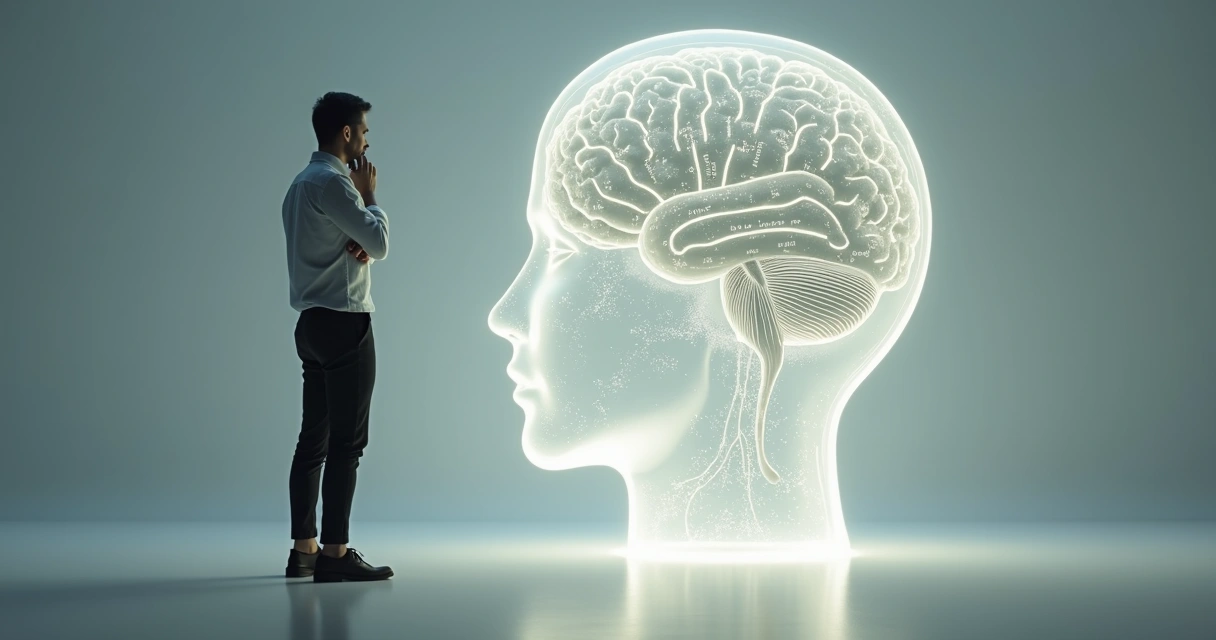
Have you ever made a decision and wondered later, “Why did I do that?” Sometimes, it feels like our choices come from a deeper place, one not immediately visible to our everyday awareness. At the Cognitive Flow Center, we have studied these hidden forces for years. These are what we call unconscious beliefs—powerful assumptions formed silently over time, guiding us behind the scenes.
Unconscious beliefs can shape the way we think, the feelings we experience, and even our repeated habits. Most go undetected, yet their influence is everywhere in our lives. We believe that noticing and understanding these hidden layers holds the key to greater autonomy and maturity. In this article, we share practical steps to reveal your unconscious beliefs, so your behavior reflects conscious choice, not unseen patterns.
What are unconscious beliefs and why do they matter?
Unconscious beliefs are thoughts, attitudes, or judgments that sit just out of our direct awareness. They are often formed during childhood or as a result of strong emotional experiences. These beliefs lurk below the surface, quietly shaping the story we tell ourselves about who we are, what we deserve, and what is possible in our lives.
Our hidden beliefs write the script for our daily actions.
Over time, these beliefs can become automatic. Without realizing it, we react to situations, make decisions, or avoid opportunities because of unconscious scripts. At Cognitive Flow Center, we see these patterns play out in relationships, work, and self-esteem again and again. They steer us, even when we wish for other outcomes.
Common signs your behavior is guided by unconscious beliefs
Uncovering unconscious beliefs starts with noticing their traces in daily life. Some signs are subtle, while others are obvious with a bit of reflection. We have noticed that behaviors often tell a deeper story.
- Repeated self-sabotage (starting projects, then abandoning them without clear reasons)
- Persistent negative self-talk (“I’m not good enough” or “I’ll never succeed”)
- Reluctance to try new things, despite a desire to change
- Emotional reactions that seem out of proportion to the trigger (overreacting or shutting down)
- Ongoing struggles in relationships with similar patterns
- Difficulty accepting praise or positive feedback
If you notice any of these patterns, pause. These may be clues that unconscious beliefs are at work.
Where do unconscious beliefs come from?
In our experience, unconscious beliefs often begin in childhood, when our young minds try to make sense of the world. Family, culture, religion, and personal experiences leave their mark. Beliefs shape themselves around what we observe from parents or caregivers, what we are told, and how we interpret success, failure, love, and danger.
Even a single impactful event can plant a seed. For example, being laughed at in school might grow a belief like, “I shouldn’t speak up.” Over the years, such beliefs go unnoticed, yet they quietly shape choices in adulthood. We inherit many beliefs, and life continually adds new ones as we face setbacks or milestones.

How to spot your unconscious beliefs in action
Uncovering these hidden beliefs is a process. We recommend looking for moments when you feel stuck, emotional, or puzzled by your own choices.
- Track your emotional reactions. Strong feelings like anger, fear, or shame often signal an unconscious belief is being challenged. If you feel more upset than the situation seems to justify, pause and ask, “What did I just tell myself?”
- Notice your inner dialogue. Pay attention to your automatic thoughts. Are there phrases or judgments that repeat in your mind? These can point directly to underlying beliefs about yourself or the world.
- Reflect on repeated patterns. Keep an eye on situations that seem to happen over and over. Are you drawn to the same types of jobs or relationships? Do you frequently quit when things get tough? These patterns often echo beliefs formed long ago.
- Use the ‘why’ ladder. When you make a choice or react strongly, ask yourself, “Why did I do that?” Answer honestly, then ask “why?” of your previous answer. Repeat several times. The deeper you go, the more likely you will reach a hidden belief.
- Challenge your assumptions. Try flipping your usual thinking. If you always assume, “I have to do everything myself,” ask, “What if people are willing to help me?” Notice what feelings or thoughts come up—they may reveal hidden beliefs that resist such ideas.
Writing your thoughts in a journal can help turn vague feelings into concrete beliefs you can examine. We have seen many clients at the Cognitive Flow Center become surprised by how much emerges when they simply pause and pay attention.
Practical steps for making unconscious beliefs conscious
Understanding is only the first step. To move forward, we must bring these beliefs into the light and gently question them. We suggest this practical process:
- Recognize recurring themes. Review your emotional highlights and recurring problems from the past month. Is there a “voice” that keeps popping up?
- Write the beliefs down. Once you spot a belief (such as, “I don’t deserve success”), write it down. Naming it removes some of its unseen power.
- Consider where it came from. Ask yourself, “When did I first feel this way?” and “Who might have reinforced this belief?” Sometimes, just tracing its origin makes it easier to let go.
- Gather evidence for and against the belief. What facts support it? What experiences prove it false? Often, the belief is based on old, limited information.
- Create a new belief to test. Replace the old message with a new one. For example, “I can handle challenges that come my way.” Practice repeating the new belief in daily situations and notice how it feels.

How does identifying unconscious beliefs support growth?
At the Cognitive Flow Center, we observe that recognizing and challenging unconscious beliefs opens the doors to self-trust and resilience. When beliefs shift, behavior follows. People report more freedom in their choices, fewer reactive moments, and deeper satisfaction in relationships.
Change starts with awareness.
Each time we identify a hidden pattern, we reclaim a small piece of our autonomy. Over time, this process leads to sustainable and conscious growth—both individually and collectively.
Conclusion
Unconscious beliefs shape our lives in profound ways. While they may be silent, their influence is not invisible. By tracking emotional reactions, listening to our inner dialogue, reflecting on recurring patterns, and questioning automatic assumptions, we can make the hidden visible. Our team at the Cognitive Flow Center has seen time and again how this work supports true emotional maturity, autonomy, and a more conscious relationship with oneself and others.
If you are curious about your own unconscious beliefs and their effect on your life, now is the perfect time to begin. Reach out to us to learn how we can support your journey towards awareness, integration, and conscious living.
Frequently asked questions
What are unconscious beliefs?
Unconscious beliefs are ideas and assumptions formed from past experiences that influence our behavior, emotions, and choices without our direct awareness. They can include beliefs about ourselves, others, or the world, built from childhood or significant life events.
How can I spot my unconscious beliefs?
You can spot unconscious beliefs by noticing repeated emotional reactions, tracking recurring life patterns, listening to your inner voice, and questioning your automatic responses. Journaling and self-reflection are effective ways to bring these hidden beliefs to awareness.
Why do unconscious beliefs affect behavior?
Unconscious beliefs guide behavior by filtering our perceptions and setting automatic responses that often bypass conscious thought. They shape our interactions and decisions, often driving us to act in ways that support or confirm the beliefs, whether true or not.
Can I change my unconscious beliefs?
Yes. Once identified, unconscious beliefs can be challenged and replaced with more helpful, conscious ones. This process may take time and support, but repeated reflection and practical steps can help you shift these beliefs.
Where to get help with unconscious beliefs?
If you struggle to change long-standing beliefs, reaching out to qualified professionals, such as those at the Cognitive Flow Center, can provide guidance and support. We offer resources, tools, and a structured process to help you integrate new beliefs for positive change.