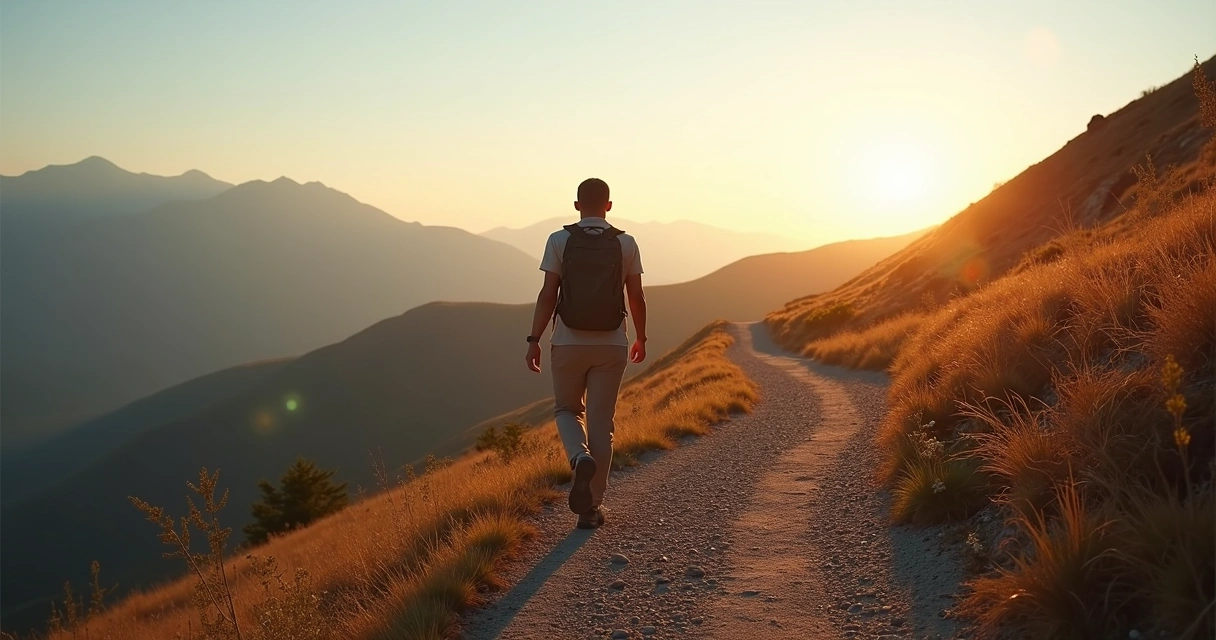
We live in a culture that glorifies big moments. Those times when everything feels electric, when work or life lines up perfectly, even just for a brief period. Many of us chase these “peak experiences,” longing for that rush of clarity, energy, and meaning. But there’s a problem. Relying on fleeting highs leads to frustration and restlessness. What comes next, after the peak is over? We find ourselves feeling empty, searching for the next big thing, and often missing opportunities for deep, sustained fulfillment right where we are.
What if instead of chasing peaks, we could build a way of living where flow is not rare, but regular? Where the sense of presence and engagement becomes woven into daily life, not trapped in extraordinary moments? That’s the real challenge, and in our experience, it is both possible and highly valuable. Here’s how we think about it.
The myth of the peak experience
Most of us remember a time when we felt “on fire”—maybe during a creative project, an intense conversation, or at the height of a physical achievement. In these moments, the world narrows to what is in front of us. Time feels different. Doubts and distractions drop away. It can feel magical.
But here is what often gets missed: these peaks are temporary by nature. They are a product of unique conditions—novelty, risk, urgency, or strong emotion. When we try to replicate them, we can end up exhausted, dependent on ever-greater stimulation, and disconnected from gradual, authentic growth. No wonder so many people report feeling “stuck” after big accomplishments.
Chasing only the peaks leaves us tired, not transformed.
When we use moments of intense flow as a yardstick for a “good” life, regular days start to feel bland or even meaningless. We begin to question our motivation or value in their absence, forgetting that true change often happens in quiet, sustained engagement.
What is a flow state, really?
Let’s clarify what flow actually means. Flow is a mental state where we are fully immersed in a task, challenged just enough to maintain attention, and able to lose track of self-doubt and distractions. It is sometimes called “being in the zone,” but it is much more subtle than constant excitement.
Flow emerges when:
- We face tasks that stretch our abilities, but don’t overwhelm us
- We have clear goals and immediate feedback
- Our focus narrows naturally, making time pass quickly
- There is a sense of purpose, presence, and intrinsic enjoyment
Unlike peak experiences, flow does not require dramatic circumstances. We can find it in creative work, teaching, deep listening, or even routine activities when we approach them with intention.

Flow is less about rare fireworks and more about weaving attention and meaning into the fabric of daily life. By making flow our baseline, we stop relying on unpredictable peaks to feel alive or fulfilled.
Why chasing peaks can hold us back
Peak experiences are alluring. They fuel stories, spark big changes, and often motivate us to pursue growth. Still, running after them alone can be risky:
- Short-term highs fade quickly: After the rush, we can feel flat, and sometimes sink into a period of low motivation.
- Comparisons increase: We may start measuring ourselves against our most exciting days, and feel disappointed by anything less.
- Daily life can seem dull: Chasing extraordinary moments leads us to overlook the value in ordinary routines and quiet progress.
- Delayed growth: Focusing on peaks distracts from habits and mindsets needed for long-term transformation.
We see this when clients share a story of “losing their edge.” The reality is that they have fallen into the trap of making energy or intensity the measure of success, rather than resilience and sustained engagement.
Building sustained flow: what actually works
If peak experiences are not the answer, what is? We believe that the key is designing life to foster regular flow—deep, sustainable engagement. Here’s what we have learned helps most.
Rethink the challenge-skill balance
Flow flourishes at the edge between boredom and anxiety. Too little challenge? The mind wanders. Too much? Stress takes over. The right mix is unique to each person and task, and changes as we grow. We recommend adjusting the level of difficulty or complexity in your main activities every few weeks, not just once a year. This keeps engagement alive and prevents plateauing.
Use ritual and structure
Instead of waiting for big bursts of inspiration, we set up daily habits that invite focus. Small cues—a particular workspace, a short routine before starting, a clear plan—signal the brain that it is time for engagement. Even five quiet minutes of preparation can help.
Limit distractions, gently but firmly
While technology can help us connect and learn, it can also break flow instantly. We work to create periods of deep work by minimizing interruptions. That means silencing notifications, closing extra browser tabs, and sometimes even setting boundaries with others. But we also believe in compassion—and allowing flexibility when needed, without guilt.
Reflect on meaning and intention
Flow deepens when we feel a sense of purpose in what we do. That purpose does not need to be grand. It can be as simple as wanting to help someone, learn a new skill, or create beauty. We suggest that people ask themselves regularly: “Why does this task matter to me today?” The answer keeps the experience alive.
Celebrate small wins and progress
When we track progress, not just completion, we feel more involved in the journey. This often inspires the kind of motivation that can’t be forced by sheer willpower. By marking small milestones (even quietly, for ourselves) we keep flow possible in small steps, not giant leaps.

Daily life as a flow practice
Many people think of flow as isolated to hobbies or creative work, but our experiences show it can appear anywhere, with intention:
- Listening deeply to someone, without rushing to reply
- Cooking or cleaning with mindful attention
- Solving problems, whether complex or simple, step by step
- Learning or teaching, especially with curious questions
We see flow best as a practice, not an accident. It grows with repetition and reflection. The first days may feel awkward, but over time, awareness increases and the mind learns to welcome, not chase, the state we seek.
Conclusion: From peak hunting to flow living
The rush of a peak experience is exciting, but it is not where lasting change happens. We believe the real richness comes from steady, attentive engagement. When we move from chasing moments to building sustained flow, every part of daily life can transform. Flow is not a rare guest—it can be a steady companion. Step by step, we can make our ordinary days extraordinary, not by seeking more stimulus but by showing up with presence, skill, and care.
Frequently asked questions
What is a flow state?
A flow state is a mental condition where we are fully involved and energized by what we are doing, often losing track of time and self-consciousness. It usually happens when we face clear goals, immediate feedback, and the task matches our skill level with enough challenge to keep us interested without causing stress.
How to build sustained flow states?
We create sustained flow by designing our days for focus and engagement. This can include setting up specific routines before starting a task, adjusting the difficulty of our projects, reflecting on meaning, and minimizing distractions. Over time, this helps make flow a regular part of life instead of a rare event.
Are peak experiences and flow states different?
Peak experiences are intense, rare moments often full of emotion, while flow states can be frequent and are marked by deep focus and fulfillment in action. Flow does not depend on dramatic events; it comes from regular attention and presence in what we do.
Why avoid chasing peak experiences?
Chasing peak experiences can lead to frustration, exhaustion, and missing the value in everyday growth. Instead, creating conditions for steady flow supports long-term well-being and satisfaction, helping us build resilience and meaning into daily life.
How can I maintain flow daily?
We suggest creating small rituals, adjusting tasks to an optimal challenge level, celebrating small wins, and reflecting on the purpose behind each activity. By making these habits, flow becomes more frequent and less dependent on rare circumstances.